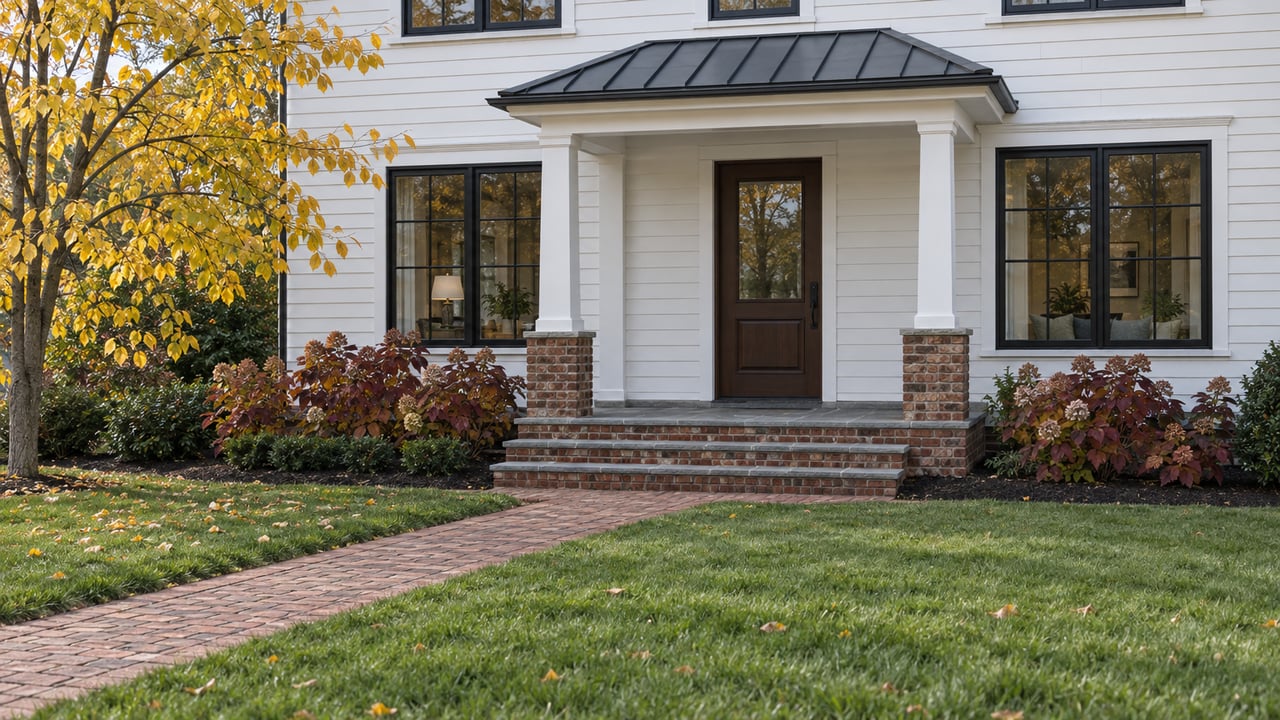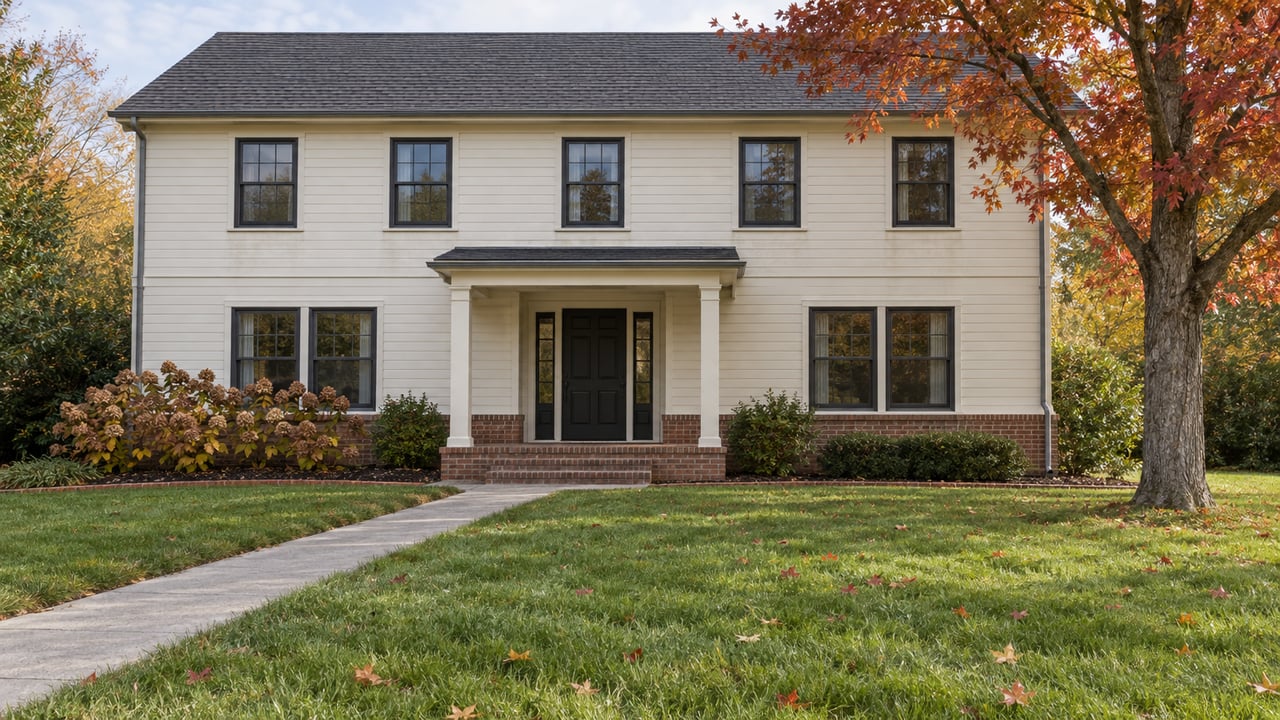
Trying to choose between a condo and a rowhouse in Washington, DC? You are not alone. Many buyers are weighing price, space, privacy, and upkeep, especially in a market where different property types can lead to very different day-to-day experiences. This guide breaks down how condo and rowhouse living works in DC, what the current market suggests, and what to look at before you commit. Let’s dive in.
How condos and rowhouses differ in DC
In Washington, DC, a rowhouse is typically one of a group of attached homes that share side walls and were built together. Many DC neighborhoods are known for this housing style, which makes rowhouses a familiar part of the city’s streetscape.
A condominium works differently under DC law. Instead of owning a whole building and lot in the same way you would with a rowhouse, you own an individual unit plus a shared interest in common elements with other unit owners.
That legal structure affects more than paperwork. It shapes how maintenance is handled, how decisions get made, and how much control you have over shared spaces and building systems.
Condo living: what to expect
If you buy a condo in DC, you will usually be part of a unit owners’ association. The association can adopt rules, approve budgets and reserves, collect assessments, hire managers, regulate common elements, and impose certain fees or fines after notice and an opportunity to be heard.
This setup can be appealing if you want a more structured ownership experience. In many cases, the association is responsible for maintaining common elements, while you are responsible for your individual unit unless the condo documents say otherwise.
That does not mean condo ownership is maintenance-free. It means some decisions are shared, and some costs are handled through the association rather than directly by you alone.
Condo pros to consider
- Lower typical entry price compared with attached homes
- Shared responsibility for common elements
- Formal budgeting and reserve planning through the association
- Possible access to outdoor features like balconies or patios
Condo tradeoffs to consider
- Monthly assessments and shared-cost decisions
- Rules that may affect how you use certain spaces
- Less direct control over common elements
- Need to review association finances and documents carefully
Rowhouse living: what to expect
A rowhouse often feels more like traditional house ownership. You are closer to the building itself, and you usually have more direct responsibility for the property’s maintenance and exterior decisions.
That can be a big plus if you want more autonomy. It can also mean more hands-on responsibility, especially if repairs, updates, or exterior projects come up.
In DC, rowhouse buyers also need to pay attention to historic context. If a property is in a historic district, exterior changes that require a building permit may also need historic preservation review.
Rowhouse pros to consider
- More house-like ownership structure
- More direct control over the property
- Exterior space is often more directly tied to the home and lot
- Often more interior space than a typical condo
Rowhouse tradeoffs to consider
- Higher purchase price in many cases
- More direct maintenance responsibility
- Exterior projects may involve permits or historic review
- Shared side walls can still affect privacy and noise
Price differences in Washington, DC
If budget is a major factor, the current numbers point to a meaningful gap between condos and attached homes in DC. According to a May 2026 Washington, DC market report from Homes.com, the citywide median home sale price was $630,000.
That same report put the median condo price at $380,000 and the median townhome price at $575,000. Homes.com groups townhomes, rowhouses, and duplexes together in its attached-home category, so the townhome figure is a useful directional benchmark for rowhouse-style living.
The takeaway is fairly straightforward. If you want a lower entry point, condos may offer more options. If you want more space and a more house-like ownership experience, rowhouses and similar attached homes often come at a premium.
Market conditions may favor condo buyers
Price is only one part of the picture. Supply can also shape your choices and your negotiating position.
The same Homes.com report found that condo inventory in DC rose 19.3% year over year and sat at about six months of supply. By comparison, single-family homes and townhomes each had less than four months of supply.
Bright MLS reported a similar trend in its January 2026 Washington, DC metro report. It found that condo prices fell year over year, while townhome prices were flat and detached-home prices rose.
For buyers, that may mean condos offer more purchase-price flexibility and potentially more negotiating leverage right now. Rowhouses may still hold stronger pricing because buyers often value the extra space and ownership control they can offer.
Maintenance and responsibility
One of the biggest lifestyle differences between condos and rowhouses is how maintenance gets handled.
With a condo, DC law generally assigns maintenance of common elements to the association and maintenance of the unit itself to the owner, unless the condo documents say something different. That structure can simplify certain building issues because you are not handling every shared component on your own.
With a rowhouse, you are usually more directly tied to the property’s upkeep. If the roof, exterior, or other major components need attention, that responsibility often falls more squarely on you.
This is why the better choice often comes down to your comfort level. If you prefer shared systems and formal governance, a condo may feel easier to manage. If you want more control and do not mind more direct responsibility, a rowhouse may be a better fit.
Privacy and noise are not one-size-fits-all
Many buyers assume rowhouses automatically offer more privacy than condos. In reality, privacy depends a lot on building design, layout, construction quality, and how much space is shared.
Rowhouses share side or party walls by definition. Condos are organized around shared common elements, which can mean hallways, entrances, and other common areas are part of daily life.
So instead of relying on labels alone, it helps to look at the specific property. The floor plan, the age of the building, the materials used, and the amount of shared space can all affect how private and quiet a home feels.
Outdoor space works differently
Outdoor space can be one of the most important differences between condos and rowhouses in DC.
In a condo, features like balconies, patios, porches, awnings, window boxes, and doorsteps that serve one unit but sit outside the unit boundaries are generally treated as limited common elements under DC law. That means you may have use of the space, but it is still governed by the condo documents rather than controlled like fully private land.
With a rowhouse, exterior space is usually more directly connected to the home and lot. That can offer a stronger sense of control, but it does not always mean unlimited freedom to change things.
If the rowhouse is in a historic area, exterior alterations may require review when a building permit is needed. DC preservation guidance also notes that rear additions are generally preferred because they are less likely to affect the building’s character or the streetscape.
Due diligence matters more than the label
A condo and a rowhouse can both be great choices, but only if the details line up with your goals.
For condo buyers, the resale packet is essential. In DC, sellers must provide the condominium instruments and a certificate with details like the association’s budget, reserve status, capital expenditures, pending suits, insurance coverage, and leasehold information.
You also get important statutory protections. If the documents are not delivered on time, buyers have cancellation rights, including a 3-business-day review period after receipt.
That short review window matters because the documents can reveal issues that affect your costs and risk. Reserve health, planned projects, litigation, and special assessments tied to limited common elements can all influence whether a condo feels like a smart fit.
For rowhouse buyers, one of the biggest due diligence questions is whether the property is in a historic district. If it is, future exterior work may involve another layer of review, which can affect timing, design choices, and renovation plans.
Which one fits your lifestyle?
If you are comparing condos and rowhouses in Washington, DC, the right answer usually comes down to how you want to live.
A condo may be a better fit if you want a lower entry price, shared maintenance of common elements, and a more structured ownership setup. A rowhouse may be a better fit if you want more space, more direct control, and a more traditional house-like ownership experience.
Neither option is automatically better. In DC, neighborhood, block, condition, and building quality often matter just as much as the property type itself.
The best next step is to compare real examples side by side and look beyond the headline price. If you want help thinking through the tradeoffs, Tessa Wilborne can help you evaluate your options with clear, local guidance.
FAQs
What is the difference between a condo and a rowhouse in Washington, DC?
- A condo is an individually owned unit with shared ownership of common elements, while a rowhouse is an attached house that shares side walls with neighboring homes and usually offers a more house-like ownership structure.
Are condos cheaper than rowhouses in Washington, DC?
- Based on May 2026 Homes.com data, the median condo price in DC was $380,000, while the median townhome price was $575,000, suggesting condos often have a lower entry price.
Do DC condos have owners’ associations?
- Yes. DC condos are generally governed by a unit owners’ association that can manage budgets, reserves, rules, assessments, and common elements.
Do rowhouses in Washington, DC require more maintenance?
- In many cases, yes. Rowhouse owners are usually more directly responsible for the building and exterior, while condo associations generally handle common elements.
Can you change the exterior of a rowhouse in Washington, DC?
- Sometimes, but if the property is in a historic district and the work requires a building permit, historic preservation review may also be required.
What documents should condo buyers review in Washington, DC?
- Condo buyers should closely review the resale packet, including the condominium instruments and certificate covering reserves, budget, capital projects, insurance, pending suits, and related association details.