If you are thinking about family living in Washington, DC, you are probably balancing a lot at once. You may be weighing schools, commute time, parks, home size, and budget, all while trying to picture what day-to-day life would really feel like. The good news is that DC offers strong family amenities, but it also asks you to make practical tradeoffs around space and cost. This guide will help you understand what to expect so you can make a more confident move. Let’s dive in.
What family life looks like in DC
Washington, DC can work well for families, but it feels different from a typical suburban market. According to Census QuickFacts, the city has 11,280.7 residents per square mile, a median household income of $109,870, and a median owner-occupied home value of $737,100. That combination tells you a lot right away: DC offers convenience and amenities, but space usually comes at a premium.
Your housing search will often come down to priorities. In many cases, you will be choosing among location, number of bedrooms, and overall square footage rather than looking for a large yard and a detached home. The city’s average household size is 1.99 persons, and the ownership rate is 41.5%, which also reflects how many people live in smaller or attached housing types.
Commute is another major part of the family equation. The same Census data shows a mean travel time to work of 30.3 minutes. If you are trying to keep school, childcare, work, and activities manageable, location can shape your routine as much as the home itself.
Schools in Washington, DC
For many families, the school process is one of the first things to understand before choosing where to live. In DC, that usually means learning how DC Public Schools, public charter schools, and school assignment rules work together.
How My School DC works
My School DC is the common application and public school lottery for participating schools serving PK3 through grade 12. The lottery is random, which means there is no advantage to applying early. Families can apply to as many as 12 schools.
This is especially important if you are moving into the city and want flexibility. In-boundary and feeder-pattern schools do not require a lottery for grades K through 12, but new PK3 and PK4 students, out-of-boundary placements, and charter school seats do. If early childhood options are part of your plan, this process matters even more.
Public school options across the city
DC Public Schools says it operates 117 schools. The District also reported 99,770 students in public and public charter schools in the 2024-25 school year, which is the highest total since OSSE began tracking enrollment in 2007.
That scale gives families a broad set of options, but it also means your school search should start early. You will want to understand whether a home is tied to an in-boundary option, whether you plan to use the lottery, and how your commute fits with your school strategy.
Early childhood and pre-K options
For younger children, the District offers universal pre-kindergarten through a mixed delivery system. The PKEEP program through OSSE funds free pre-K for eligible 3- and 4-year-olds at licensed child development facilities.
If you are moving with toddlers or preschool-age children, this can be an important part of your budgeting and planning. It is one more reason many families in DC look at housing and school options together instead of treating them as separate decisions.
Parks and family activities in DC
One of DC’s biggest strengths for families is access to parks, playgrounds, and free cultural destinations. Even in a dense city, you can still build a routine around outdoor time, weekend outings, and low-cost family activities.
Playgrounds in every ward
The DC Department of Parks and Recreation says it manages more than 100 playgrounds across every ward, and all are ADA accessible. DPR also notes that families can find a park in any ward.
That citywide access matters in daily life. Whether you live in a rowhome, condo, or apartment, nearby outdoor space can help make up for having less private yard space. For many families, access to a good playground or park becomes part of what makes a smaller home feel more livable.
Major green spaces for families
Two standout outdoor resources are Rock Creek Park and Anacostia Park. The National Park Service says Rock Creek Park includes nearly 3,000 acres and more than 30 miles of hiking trails.
Anacostia Park offers a different kind of experience, with a 3.5-mile paved trail, boating access, skating, athletic fields, and playgrounds. Together, these parks give families meaningful access to outdoor recreation without leaving the city.
Free museums and zoo visits
For indoor outings, DC has an advantage that few cities can match. According to the Smithsonian, admission is free at its DC-area museums and the National Zoo, with 17 free DC-area museums and zoo visits available.
That can shape family life in a real way. Free museum days, zoo visits, and educational outings can become regular parts of your routine without adding much pressure to your monthly budget.
Homes families can actually expect
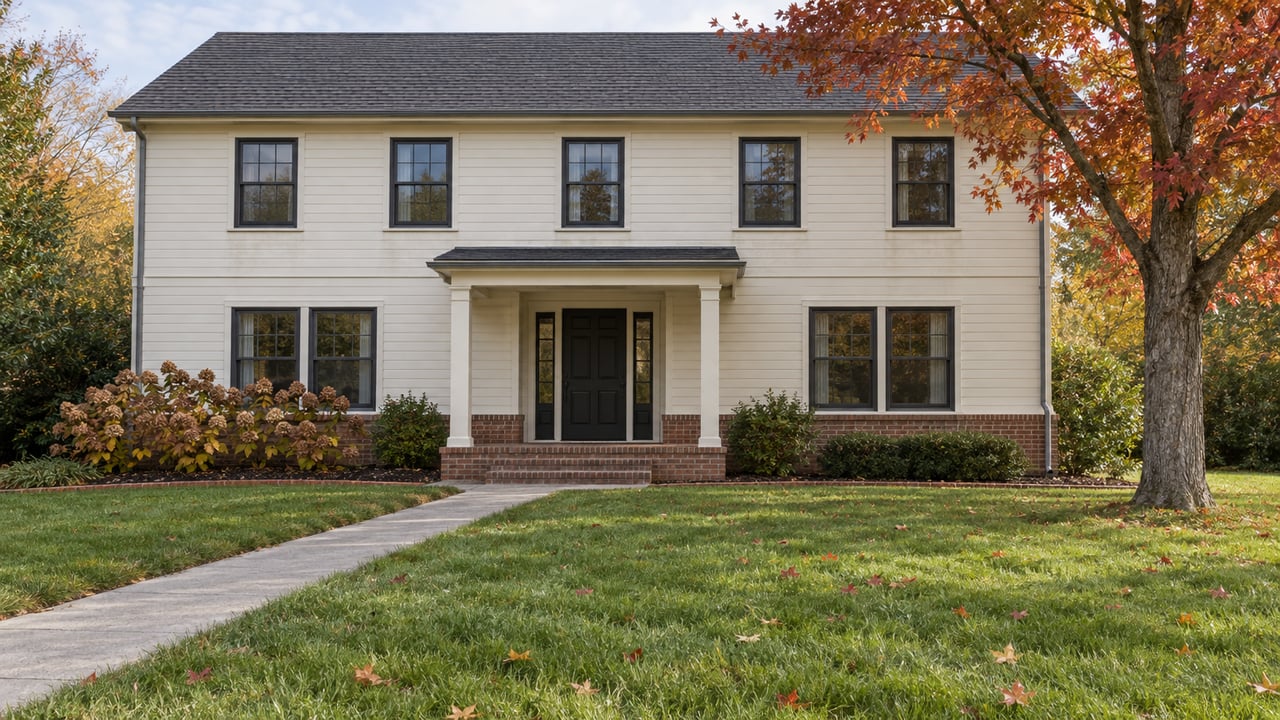
When families picture a home search, they often imagine a detached house with extra bedrooms and outdoor space. In Washington, DC, that is sometimes possible, but it is not the most common housing path.
Common housing types in DC
DC planning materials identify the city’s main housing forms as detached single-family homes, semi-detached and duplex homes, rowhomes, walk-up apartments, mid-rise mixed-use buildings, and high-rise mixed-use buildings. You can see that range in this District housing overview.
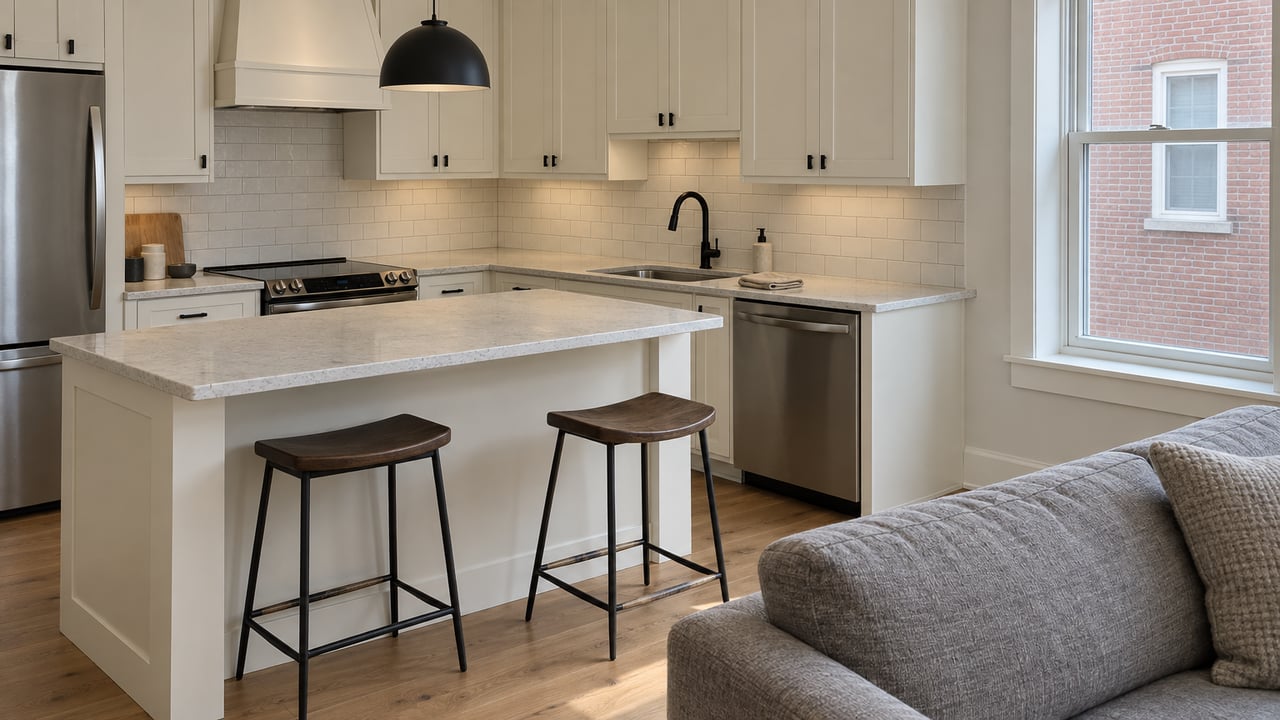
For many families, rowhomes, duplexes, and larger condo or apartment-style units are the most realistic options. These homes may offer a better balance of space and location than a detached house, especially if staying within city limits is important to you.
Why space feels competitive
According to DC 2050 planning data, about 40% of homes in the city are in large apartment buildings, 27% are in smaller apartment buildings, 23% are in duplexes, and only 11% are detached houses. That breakdown explains why family home searches in DC often feel tight.
Detached homes exist, but they are a relatively small part of the housing stock. Rowhouses and smaller apartment buildings are especially common in Wards 4, 5, 7, and 8, while detached homes are most common in Wards 3, 4, and 5. Historic planning materials also note that rowhouse construction has long been typical of DC’s residential housing.
Budget expectations for family buyers
DC is a high-cost market, and that should be part of your planning from the start. Census data shows a median owner-occupied value of $737,100 and median monthly owner costs with a mortgage of $3,128. The research also notes recent market trackers showing a median sale price around $590,000, a median listing price around $550,000, and roughly 3,300 homes for sale.
That does not mean buying in DC is out of reach. It does mean you will likely need to be clear about your tradeoffs. For one family, that might mean choosing a rowhome over a detached home. For another, it might mean choosing a condo with more walkable amenities and shorter commute times.
How to balance schools, parks, and commute
The best family move in DC is rarely just about the house. It is about how your home, school plan, commute, and daily routines work together.
If you want more interior space, you may need to broaden the housing types you consider. If access to a certain school pathway matters most, you may want to focus on in-boundary options or build a lottery strategy. If your schedule is packed, cutting commute time may be worth choosing a smaller home with better access to parks, childcare, or transit.
This is where a practical, local approach helps. Instead of asking which home is perfect, it is usually more useful to ask which combination of features best supports your family’s real life.
What this means for your home search
In Washington, DC, family living is possible, but it usually requires clear priorities. You are not just shopping for bedrooms or square footage. You are deciding how you want to balance budget, school options, green space, and the pace of daily life.
If you are planning a move in DC or anywhere across the DMV, working with a local advisor can help you compare options with fewer surprises. T&G Real Estate Advisors helps families navigate housing choices, relocation decisions, and the practical tradeoffs that come with this market.
FAQs
How does the My School DC lottery work for Washington, DC families?
- My School DC is the common application and random public school lottery for participating schools from PK3 through grade 12, and families can apply to up to 12 schools.
Which Washington, DC school options require the My School DC lottery?
- In-boundary and feeder-pattern schools do not require a lottery for K through 12, but new PK3 and PK4 students, out-of-boundary placements, and charter school seats do require the lottery.
What housing types are most common for families in Washington, DC?
- Based on DC planning data, many families will look at rowhomes, duplexes, and larger units in apartment or mixed-use buildings because detached homes make up a relatively small share of the city’s housing stock.
How much park access can families expect in Washington, DC?
- The DC Department of Parks and Recreation says the city has more than 100 playgrounds across every ward, all of them ADA accessible, along with park access throughout the city.
What are family housing costs like in Washington, DC?
- Census QuickFacts shows a median owner-occupied home value of $737,100 and median monthly owner costs with a mortgage of $3,128, which reflects DC’s higher-cost housing market.
How does commute time affect family living in Washington, DC?
- Census data shows a mean travel time to work of 30.3 minutes, so commute time can play a major role when you are comparing housing options, school plans, and daily routines across the city.