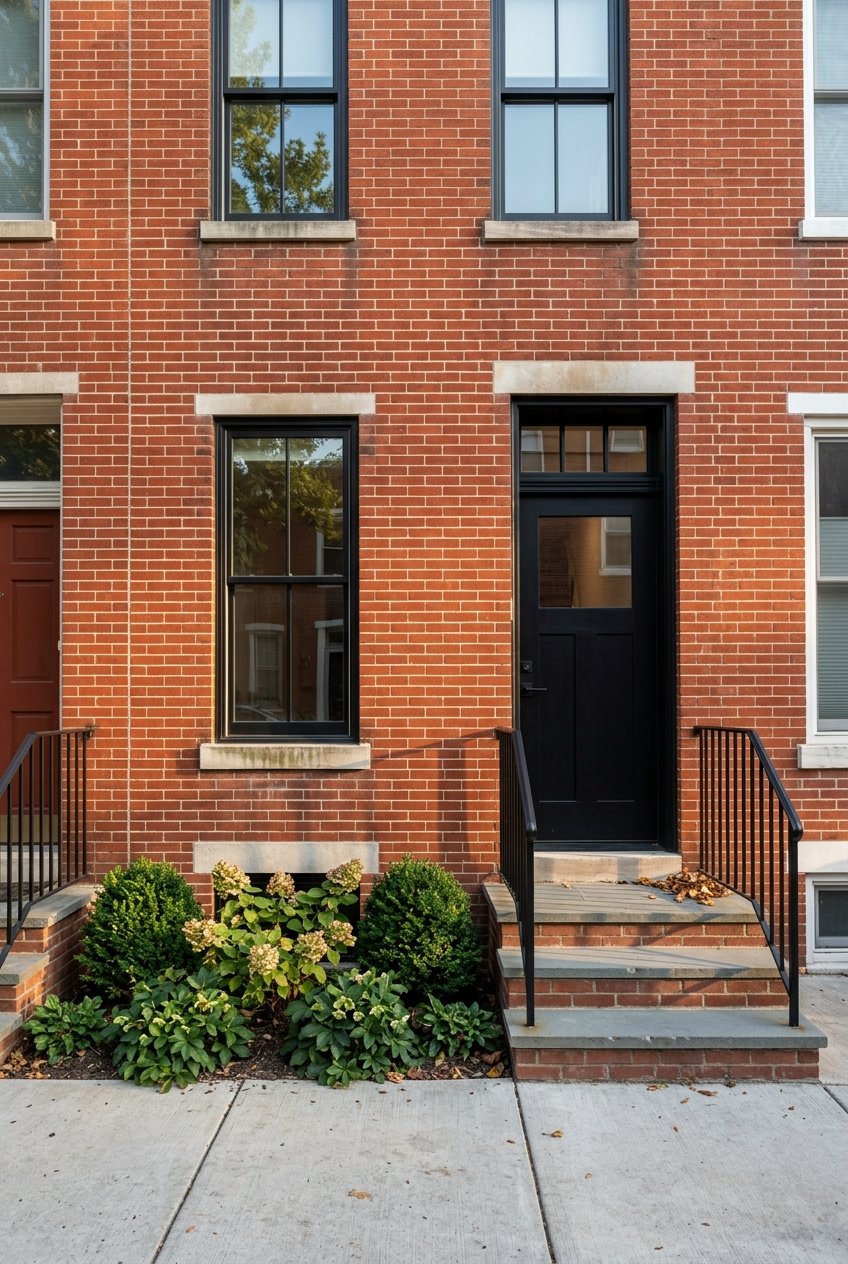
What does everyday life in Washington, DC actually feel like once you get past the monuments and headlines? If you are thinking about a move, comparing neighborhoods, or just trying to picture your day-to-day routine, that question matters. The good news is that DC offers a wide range of residential experiences, from rowhouse-lined blocks and village-like neighborhoods to denser, walkable corridors near transit and shopping. Understanding those differences can help you focus on the areas that fit your lifestyle best. Let’s dive in.
DC Feels Different by Neighborhood
One of the most important things to know about Washington, DC is that it does not feel the same from one area to the next. Official planning descriptions show a city made up of distinct neighborhood patterns, not one uniform urban experience.
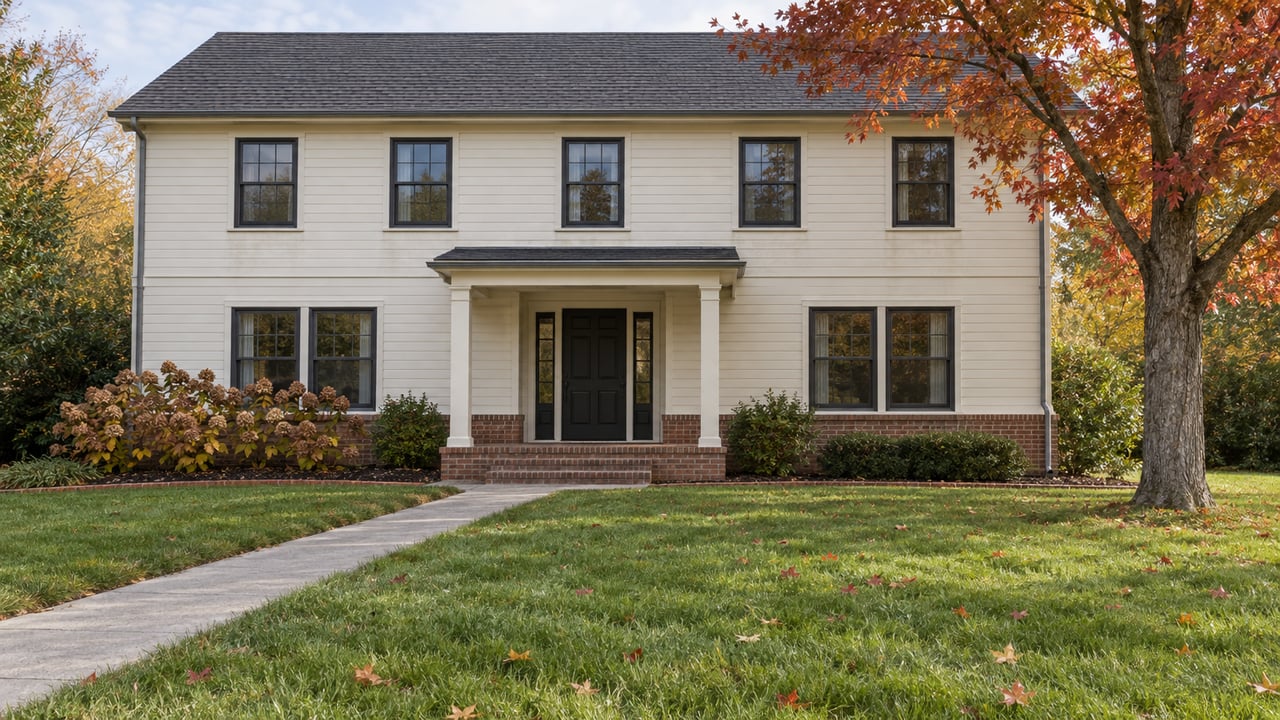
In practical terms, your daily life may change a lot based on your block, your building type, and how close you are to a commercial corridor or Metro station. A rowhouse street with front stoops and trees can feel very different from a mixed-use area with apartment buildings, restaurants, and heavier foot traffic just a few blocks away.
That is part of what makes DC appealing to so many people. You can find a setting that feels more social and active, more residential and quiet, or somewhere in between.
Residential Patterns Across DC
The District’s wards offer a helpful way to understand how neighborhood life is shaped. Ward 1 includes rowhouses, historic townhomes, and active commercial areas. Ward 2 blends downtown office districts with established residential neighborhoods like Georgetown, Dupont Circle, Logan Circle, Shaw, and Foggy Bottom.
Ward 3 is often described as a collection of village centers surrounded by apartments, townhouses, and single-family homes. Ward 4 is largely residential, while Ward 5 combines neighborhood streets, bungalow and townhouse areas, and newer mixed-use growth. Ward 6 includes Capitol Hill townhouse blocks along with newer waterfront and riverfront development.
For you, this means there is no single answer to what life in DC is like. The better question is what kind of routine you want to build, because DC has several versions of city living.
Historic Rowhouse Living
If you picture classic DC, you may be thinking of historic rowhouse and townhouse neighborhoods. Capitol Hill is one of the city’s oldest residential neighborhoods and is known for tree-lined grid streets, wide avenues, and cohesive 19th-century rowhouses.
That pattern shows up in other neighborhoods too, including Columbia Heights, Mount Pleasant, Petworth, Takoma, and Brightwood. Brookland adds another variation, with late-19th-century roots as a commuter rail village and a mix of Victorian homes and nearby institutions.
These neighborhoods often support a routine built around local errands, walking the dog, and seeing familiar streetscapes every day. The architecture and block structure create a strong residential feel, even when shops, schools, and other community spaces are woven into the area.
Denser, Walkable City Life
Some DC neighborhoods offer a more urban, vertical, and walk-to-everything experience. Dupont Circle, Logan Circle, Shaw, Foggy Bottom, the West End, and parts of downtown fit that pattern.
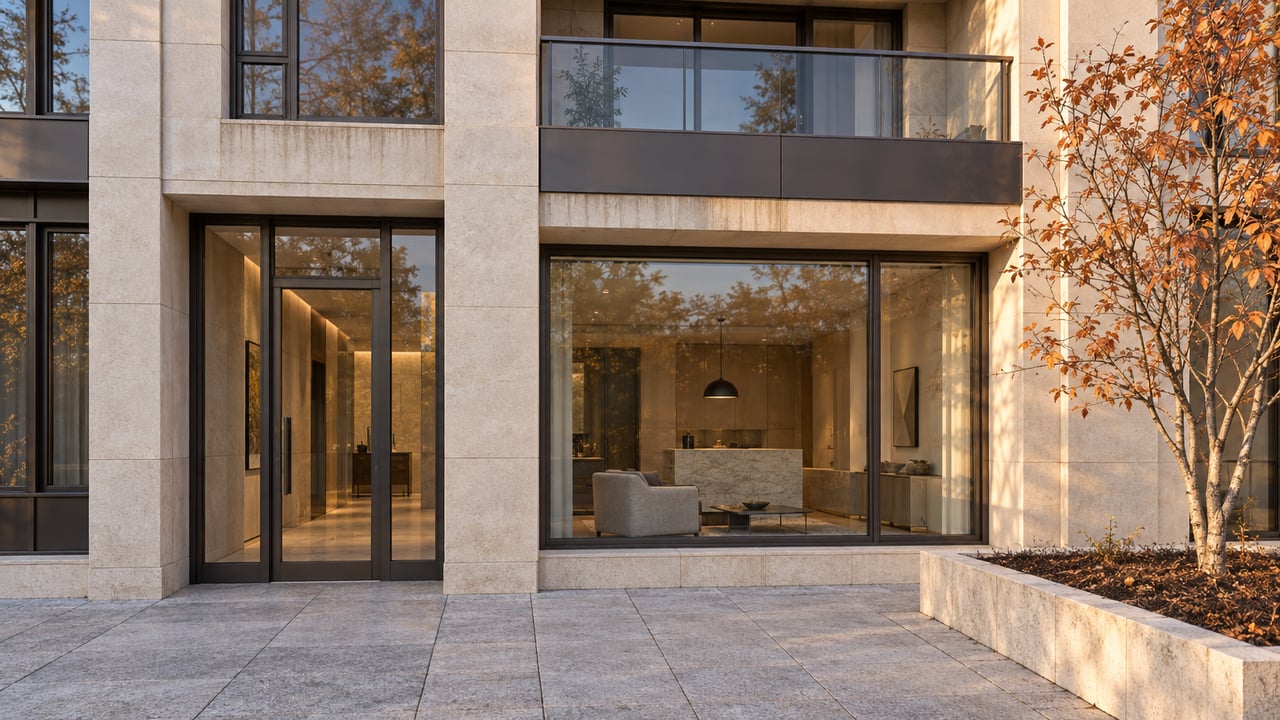
These areas tend to mix apartments, condos, renovated homes, retail, restaurants, and transit access more tightly together. In places like the Wharf, Capitol Riverfront, Buzzard Point, and NoMa, newer development has added more high-rise and mixed-use living to the neighborhood mix.
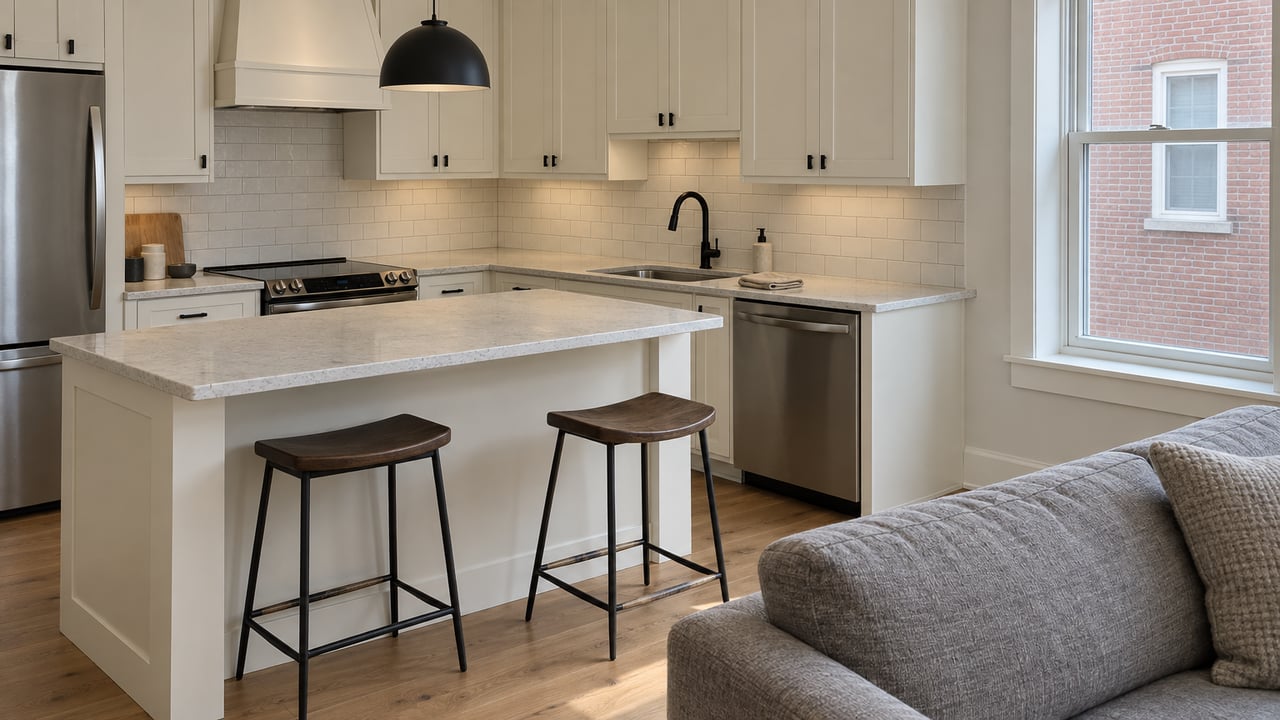
If you like the idea of stepping out for coffee, groceries, dinner, or transit without needing much planning, these neighborhoods may feel convenient. The pace is often more active, and shared amenities can play a bigger role in everyday life than private yard space or detached-home living.
Greener, Village-Like Areas
DC also has neighborhoods that feel calmer and greener while still offering city access. Ward 3 is especially useful for understanding this side of the city.
Neighborhoods such as Woodley Park, Cleveland Park, North Cleveland Park/Forest Hills, Chevy Chase, Tenleytown, Palisades, Spring Valley, and Friendship Heights are described as village centers. In these areas, local shops and restaurants sit near apartments, townhouses, or single-family homes, and the surrounding streets often include mature trees, parks, and a more residential pattern.
Takoma offers another example, with a late-19th-century streetcar-suburb character and Victorian and bungalow-style homes. If your ideal routine includes quieter streets, easy park access, and neighborhood-serving businesses nearby, this type of setting may stand out.
Daily Transportation Shapes Routine
Transportation has a major effect on how people experience residential life in DC. Metrorail is a central part of that system, with 98 stations across DC, Maryland, and Virginia and more than 600,000 daily customers, according to WMATA.
Metrobus expands that reach, and Capital Bikeshare adds another layer with more than 700 stations across the region and 24/7 access. DDOT also notes that the city’s bicycle map includes cycle tracks, stations, bike lanes, routes, and trails. goDCgo frames walking as a normal part of getting to transit, biking, and nearby businesses.
For many residents, that means car-light living is realistic, especially in central neighborhoods. At the same time, parking still matters and varies by block and building type.
What to Know About Parking
Parking in DC is more regulated than in many suburban areas. The DC DMV issues residential parking permits in zoned areas, and visitor parking permits are available for guests.
That does not mean every household needs a car, but it does mean parking is part of the lifestyle equation if you have one. When comparing neighborhoods, it helps to think not just about whether parking exists, but how it fits into your daily routine.
H Street After Streetcar Service
If you are looking at the H Street corridor, it is worth noting that DC Streetcar service ended on March 31, 2026. Today, mobility in that area depends on bus and rail options rather than the streetcar itself.
That shift is a good reminder that transportation choices can change over time. When you explore a neighborhood, it helps to look at the full transit picture, not just one service.
Parks and Public Spaces Matter
Everyday life in DC is not only about housing and transit. Parks, trails, recreation centers, and public spaces are built into many residents’ routines.
The Department of Parks and Recreation says it manages recreation centers in every ward, that every resident is within 2 miles of a recreation center, and that it maintains hundreds of local parks across the District. Those spaces include neighborhood parks, playgrounds, courts, fields, pools, and picnic areas.
That kind of access can shape your week in simple ways. Morning walks, weekend playtime, pickup sports, and outdoor breaks are often close to home rather than requiring a longer drive.
Major Green Spaces in Daily Life
Some of DC’s best-known green spaces also function as part of neighborhood life. Rock Creek Park spans northwest and northeast DC, while Anacostia Park stretches along the river with trails and recreation areas.
National Mall and Memorial Parks form a larger park system with more than a dozen units and more than 100 memorials and sites. Even though these places are famous, they also contribute to the everyday landscape for many residents.
Libraries and Rec Centers Add Convenience
Another understated part of residential life in DC is the network of local libraries and recreation centers. DC Public Library includes 25 neighborhood libraries plus a central library.
These branches can serve as study space, coworking space, meeting space, or simply a reliable neighborhood resource. Combined with local parks and commercial strips, they help create routines that stay close to home.
For many people, that convenience is part of the city’s appeal. You are not always traveling across town for your daily needs. In many neighborhoods, key amenities are woven into the immediate area.
Choosing the Right Fit for You
If you are trying to narrow down where to live in Washington, DC, it helps to focus on lifestyle first. Think about how much activity you want outside your front door, how often you expect to use transit, and whether green space is a top priority.
You may prefer a rowhouse neighborhood with strong residential texture, a denser mixed-use area with easy errands and dining, or a greener village-like setting with a quieter pace. None of these is the single best version of DC. They are simply different ways to experience the city.
The key is matching the neighborhood pattern to the life you want to lead. That is where local guidance can make the search feel much more manageable.
If you are exploring a move in DC or elsewhere in the DMV, Tessa Wilborne can help you compare neighborhoods, clarify your priorities, and make a confident plan for your next move.
FAQs
What is everyday life like in Washington, DC neighborhoods?
- Everyday life in DC depends heavily on the neighborhood, block, building type, and access to commercial areas or Metro. Some areas feel more urban and active, while others feel greener and more residential.
Which Washington, DC neighborhoods feel busiest?
- Official planning descriptions suggest that Ward 1 and Ward 2 commercial cores, along with parts of Ward 6’s downtown and waterfront districts, tend to be the most mixed-use and active.
Can you live in Washington, DC without a car?
- In many central neighborhoods, yes. Metro, bus service, bikeshare, and walkable commercial strips can support car-light living, although parking rules still matter if you own a car.
What types of homes are common in Washington, DC residential neighborhoods?
- DC includes historic rowhouses, townhouses, apartments, condos, high-rise buildings, bungalows, Victorian homes, and some single-family homes depending on the neighborhood.
Where do Washington, DC residents spend time outdoors?
- Many residents use local parks, recreation centers, river trails, Rock Creek Park, Anacostia Park, and other public green spaces as part of their everyday routine.
How do libraries fit into Washington, DC neighborhood life?
- DC’s neighborhood libraries often function as study spaces, coworking spaces, meeting spaces, and convenient community resources close to home.