Selling your Virginia home right now can feel like a balancing act. Buyers are active, but they are also price-conscious, inspection-focused, and quick to compare your home against every other option on the market. If you want a strong sale without unnecessary surprises, the key is to prepare with a clear plan. Let’s dive in.
Understand today’s Virginia market
Virginia sellers are working in a market with solid activity and more competition than last year. In March 2026, closed sales across Virginia reached 8,388, up 8.8% year over year, while the median sales price rose to $425,000, up 1.7%. Active listings climbed to 20,979, which was the highest March level since 2020.
That mix matters when you are getting ready to sell. More inventory gives buyers more choices, so your home needs to stand out on price, condition, and presentation. At the same time, demand is still there, which can create good opportunities for well-prepared sellers.
Virginia REALTORS’ April 2026 survey adds useful context. Recent transactions averaged 2.2 offers, and 39% of respondents said their clients received offers above list price. That tells you buyers are still competing for the right homes, but not every listing will automatically command a bidding war.
Use local comps, not statewide averages
One of the biggest mistakes a seller can make is relying too much on broad market headlines. Virginia is a large and varied market, and pricing can look dramatically different from one area to another. Realtor.com’s Virginia market data shows a median listing price of $745,000 in Arlington compared with $299,950 in Roanoke.
That gap is a good reminder that your pricing strategy should be built around neighborhood-level comparable sales. Recent sales of homes with similar size, condition, location, and features will give you a much more useful starting point than a statewide number ever could. If you are selling in Northern Virginia or the broader DMV commuter belt, hyperlocal pricing is especially important because buyer expectations can shift quickly from one community to the next.
Price for the market you have
It is natural to want to test the top of the market. But in today’s environment, realistic pricing often creates better momentum than an aspirational starting point. Buyers are feeling affordability pressure, and Freddie Mac reported that the average 30-year fixed mortgage rate was 6.36% on May 14, 2026.
That rate environment helps explain why buyers are watching value closely. They may still pay strong prices for a home that feels move-in ready and well-positioned, but they are less likely to overlook overpricing. A strategic list price can increase interest early, improve showing activity, and put you in a stronger position when offers come in.
When reviewing offers, remember that the highest number is not always the best outcome. Offer strength can also depend on financing, contingencies, and the buyer’s ability to get to closing smoothly. A clean, well-supported offer may be more appealing than a higher offer with more risk attached.
Start preparing earlier than you think
If you are aiming for a spring or early summer listing, do not wait until the last minute. Realtor.com’s 2026 research found that 53% of sellers needed one month or less to get ready to list. That may sound manageable, but homes that need repairs, touch-ups, or staging often benefit from a longer runway.
A month is a useful baseline, not a guarantee. If your home needs contractor work, paint, landscaping, or more involved decluttering, starting early can reduce stress and help you avoid rushed decisions. It also gives you time to gather documents and make thoughtful updates instead of scrambling just before photos and showings.
Fix visible issues before buyers find them
Inspection concerns are one of the clearest reasons to prepare carefully. In Virginia REALTORS’ April 2026 survey, 54% of failed pending transactions were tied to inspection issues. That is a major reason to address known concerns before your home hits the market.
A pre-sale inspection is not required, but it can help you uncover issues on your own timeline. Areas commonly reviewed include the structure, exterior, roof, plumbing, electrical systems, heating and air conditioning, interiors, insulation or ventilation, and fireplaces. Inspections may also raise concerns such as mold, radon, lead paint, or asbestos.
Even if you choose not to complete every repair before listing, it still helps to understand the likely cost. Pricing out a significant repair in advance can make negotiations easier because you are not guessing under pressure. Buyers usually factor repair costs into their offers, so preparation gives you a stronger footing.
Focus on first impressions
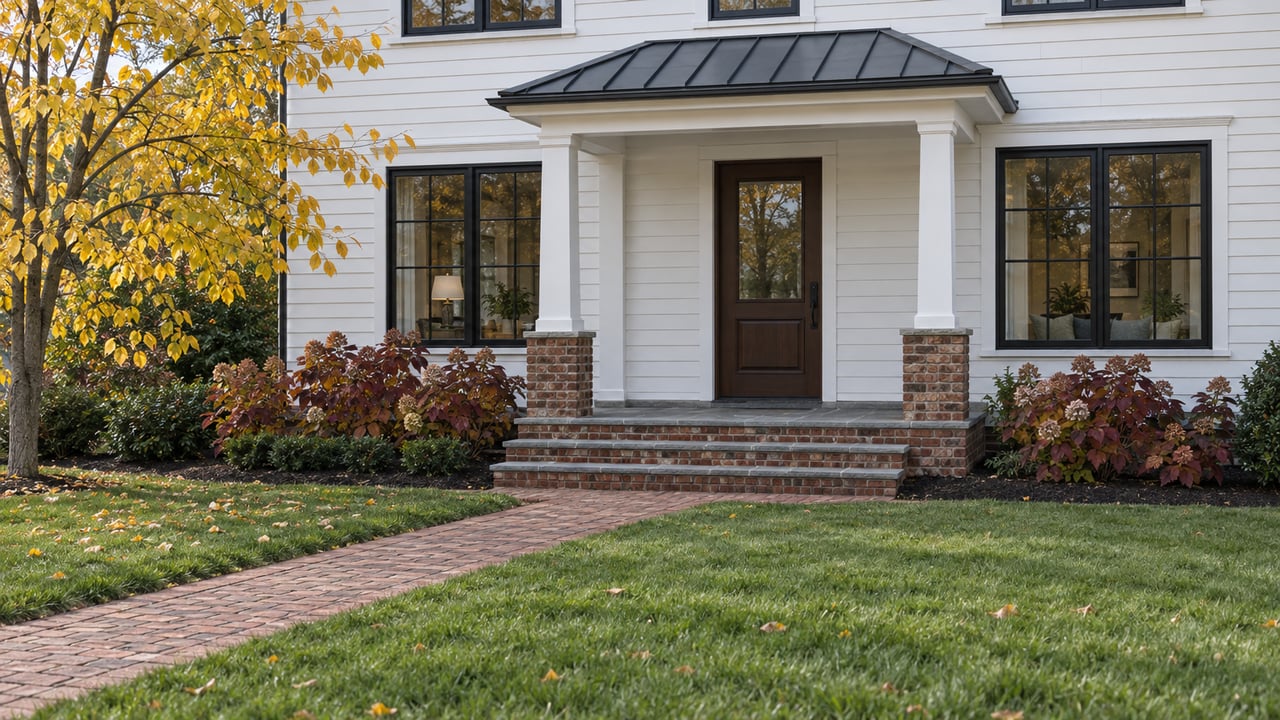
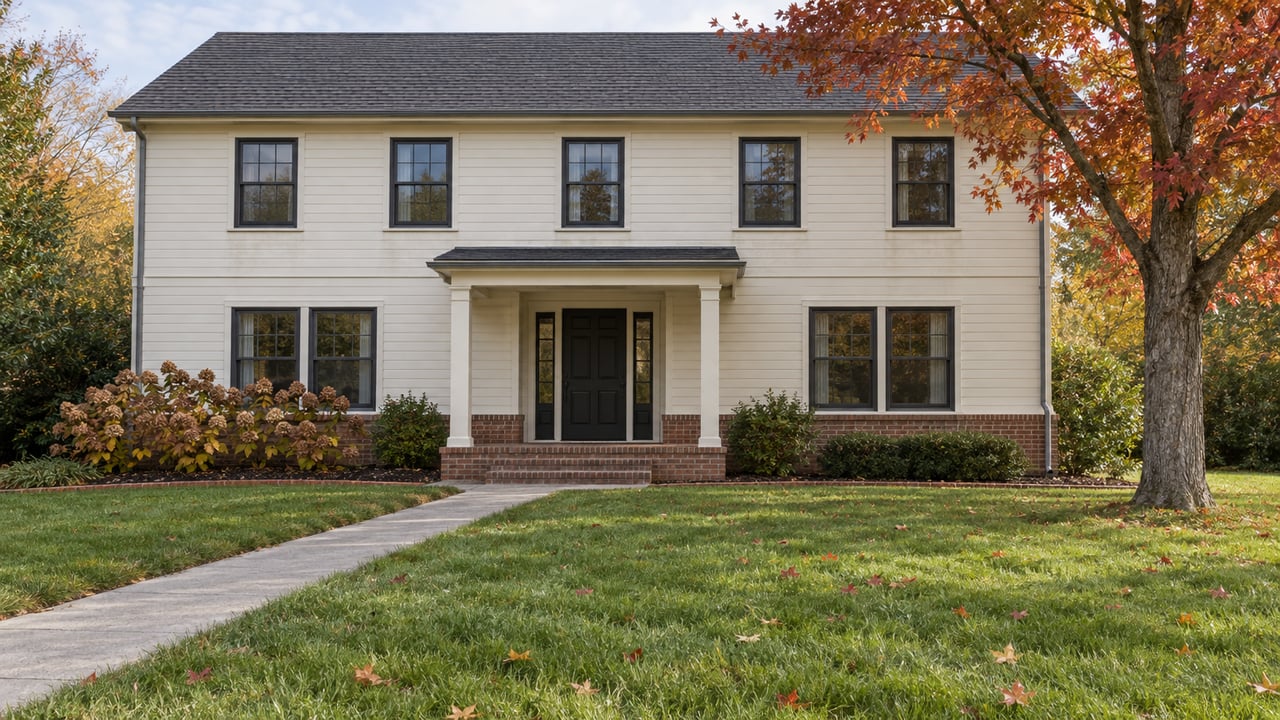
Most buyers form opinions quickly, and those first impressions start online. NAR’s 2025 staging profile found that 83% of buyers’ agents said staging made it easier for buyers to picture the property as a future home. That is especially important when buyers are comparing multiple homes in the same price range.
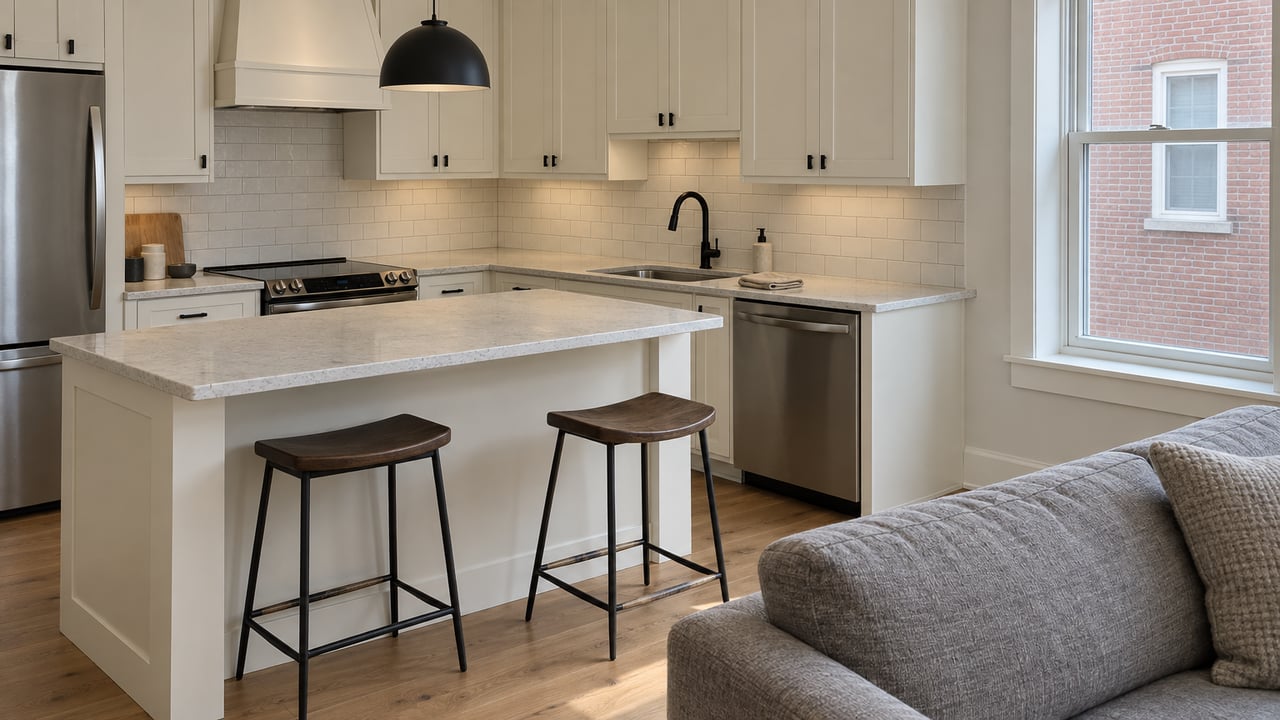
The rooms that matter most are often the ones where buyers imagine daily life unfolding. According to that same report, the living room ranked highest in importance for staging at 37%, followed by the primary bedroom at 34% and the kitchen at 23%. If your budget or time is limited, start there.
Visual marketing also matters. Buyers’ agents rated listing photos, physical staging, videos, and virtual tours as highly important tools in the home search process. For sellers in competitive Virginia markets, strong visuals can help your home get more attention before a buyer ever schedules a showing.
Prep your home for showings
A clean, calm showing environment helps buyers focus on the home itself. Before showings, prioritize decluttering, depersonalizing, deep cleaning, and taking care of necessary repairs. Open window treatments, turn on lights, neutralize odors, and secure valuables.
These steps are simple, but they can have a big impact. Buyers notice when a home feels bright, cared for, and easy to walk through. They also notice when maintenance feels unfinished or distractions pull their attention away from the property’s features.
Here is a practical pre-list checklist to keep you on track:
- Declutter surfaces, closets, and storage areas
- Remove highly personal items like family photos and memorabilia
- Deep clean kitchens, bathrooms, floors, and windows
- Touch up paint and complete visible repairs
- Improve lighting by opening blinds and turning on lamps or fixtures
- Freshen up key spaces with neutral, simple decor
- Gather appliance manuals, warranties, and repair records
- Secure jewelry, medications, and other valuables before showings
Know Virginia disclosure requirements
Virginia follows a buyer-beware framework under the Residential Property Disclosure Act. In general, sellers provide a residential property disclosure statement that says the owner makes no representations or warranties about many aspects of the property’s condition. Buyers are directed to complete their own due diligence before settlement, including inspections, surveys, and flood-related review where applicable.
That does not mean disclosures are optional. Virginia law and related forms identify several property-specific categories that may apply, including military air installations, pending building or zoning violations, wastewater systems, defective drywall, dam break inundation zones, and airport noise zones. Which items apply depends on the property and the locality.
If your home was built before 1978, there is another important step. The Virginia Department of Health states that sellers, landlords, real estate agents, and property managers must disclose any known lead-based paint or lead-based paint hazards to prospective buyers, and buyers must be given a 10-day period to conduct a paint inspection or risk assessment.
Build a smoother path to closing
Good preparation is not only about getting your home listed. It is also about reducing friction once you are under contract. Since inspection issues are a leading cause of failed pending sales in Virginia, early repair planning and document gathering can improve your odds of a smoother transaction.
Try to collect key records before your home goes live. That can include repair invoices, warranties, appliance manuals, and any other documents that help explain the home’s maintenance history. When questions come up later, having clear information ready can save time and keep momentum moving toward closing.
Why strategy matters in a luxury or upper-mid market
If your home falls in the mid-six-figure to near-seven-figure range common across many Northern Virginia markets, buyers often expect more polish from the start. They are usually looking closely at condition, presentation, and pricing discipline. In this segment, preparation is not just a helpful extra. It is part of the sales strategy.
That is where a local, hands-on approach can make a real difference. A seller benefits from guidance that blends neighborhood-level pricing insight with practical advice on repairs, staging, and digital presentation. In a market where inventory has grown and buyers have choices, execution matters.
If you are thinking about selling your Virginia home, the best next step is to build a plan around your timeline, your property, and your local market. For tailored guidance on pricing, preparation, and marketing, connect with Tessa Wilborne to request a home valuation.
FAQs
How should a Virginia seller price a home in today’s market?
- Use recent local comparable sales, current competition, your home’s condition, and your desired timeline to set a realistic list price.
When should you start preparing to sell a Virginia home?
- Starting at least a month before listing is common, and more time is often helpful if your home needs repairs, staging, or deeper prep work.
What repairs matter most before listing a Virginia home?
- Focus first on visible issues and larger items that could come up during a buyer inspection, such as roofing, plumbing, electrical, HVAC, or exterior concerns.
Do Virginia sellers need to complete a property disclosure statement?
- Yes. Virginia requires a residential property disclosure statement, and some properties may also involve additional disclosure categories depending on location and property features.
What should sellers know about lead paint disclosure in Virginia?
- If a home was built before 1978, sellers must disclose any known lead-based paint or lead-based paint hazards, and buyers must be given a 10-day opportunity for inspection or risk assessment.
Does staging help when selling a Virginia home?
- Yes. Research shows staging helps buyers picture the home more easily, especially in key spaces like the living room, primary bedroom, and kitchen.