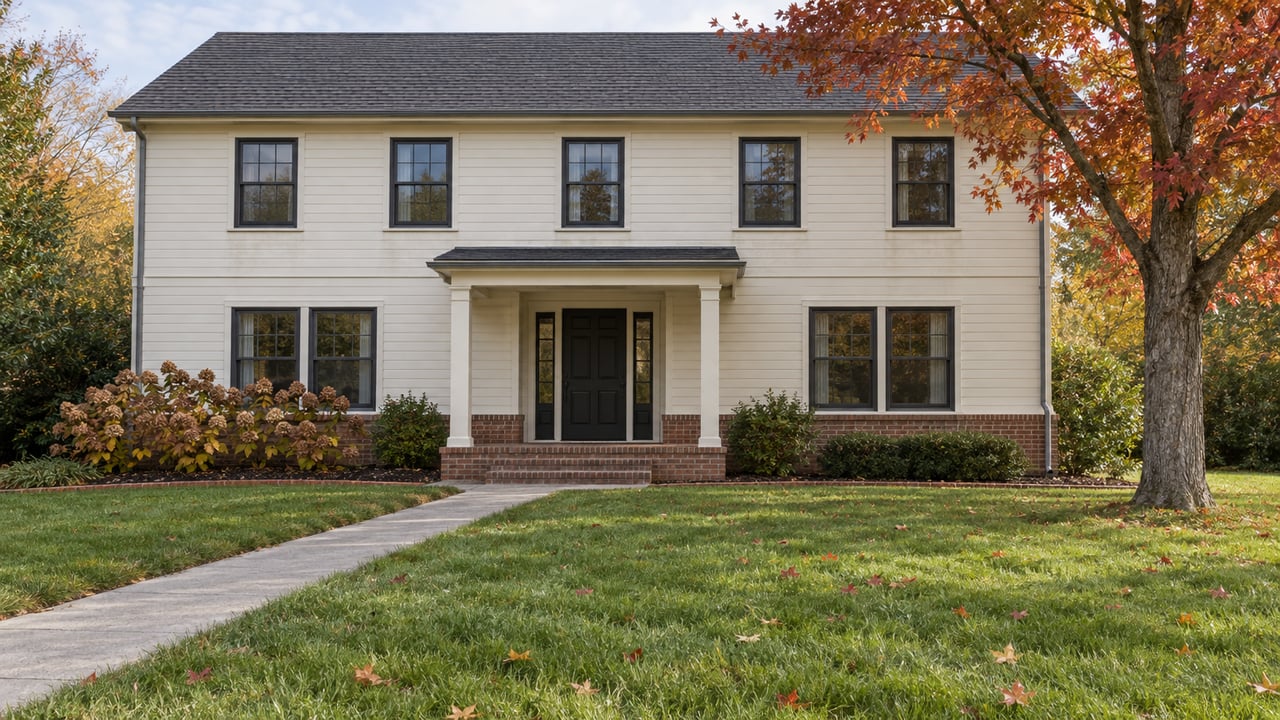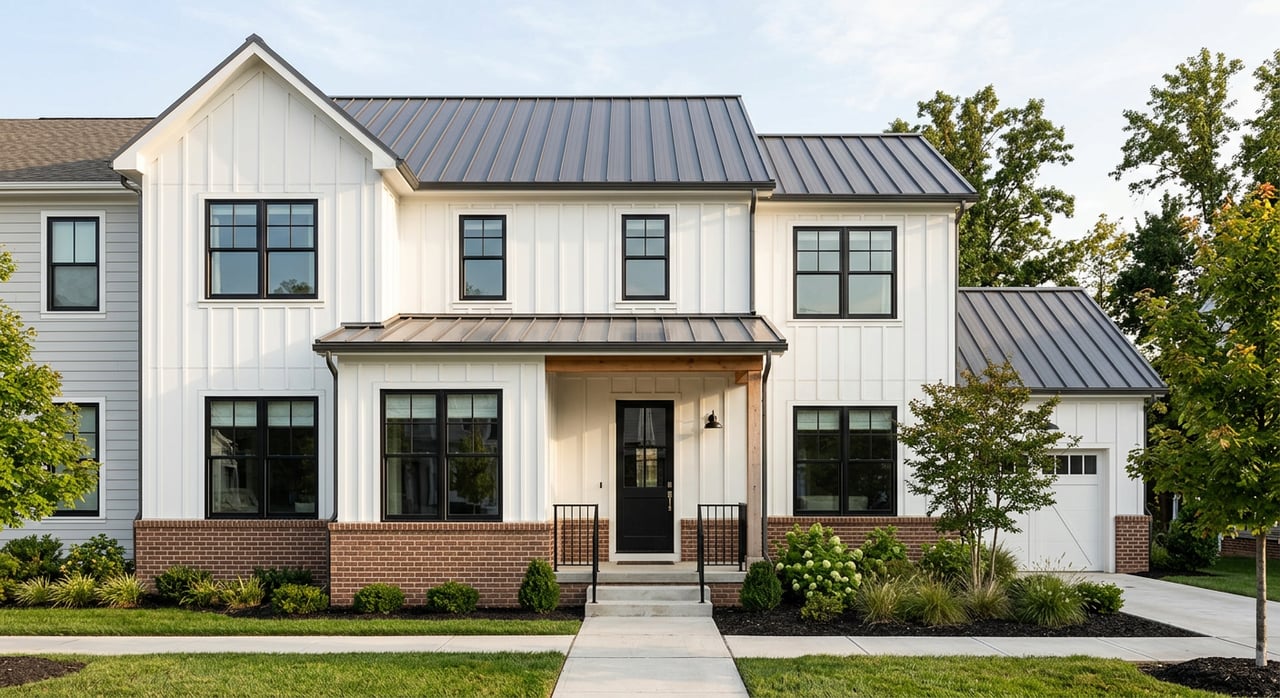
Trying to decide between a townhome and a single-family home in Virginia? You are not alone. Both options can work well for growing families and budget-conscious buyers, but the costs, rules, and day-to-day experience are different. In this guide, you will see how HOA structures, monthly and long-term costs, financing, resale factors, and commute tradeoffs can shape your choice. Let’s dive in.
Quick market backdrop
Virginia home values held steady to slightly higher at the end of 2025. The statewide median sales price was around $415,000 in December 2025, with modest year-over-year gains in late 2025, according to the latest statewide report from Virginia REALTORS.
Prices vary a lot by region and product type. Northern Virginia often sits above the statewide median, and single-family detached homes commonly carry the largest premiums in high-demand suburbs. At the same time, builders have been adding more townhouse supply in many markets because it is typically more affordable to produce and buy, which expands options for buyers who want location or lower maintenance. You can see this trend noted in industry coverage of new-home construction growth from NAR.
Townhome vs single-family basics
Style vs legal structure
A “townhome” describes an attached, multilevel style, not one legal form. In Virginia, a townhome can be fee-simple (you own the land and structure), or it can be a condominium regime (you own the interior space with shared common elements), or part of a planned community. The legal form determines who maintains and insures what. The Virginia Condominium Act defines key terms and structures for condo ownership in the Code of Virginia. You can review definitions in the Virginia Condominium Act.
A single-family detached home is most often fee-simple. That usually means you, not an association, handle exterior items like the roof, siding, and yard, unless a community association covers certain items.
HOA rules and disclosures
If your home is in an association, Virginia’s Resale Disclosure Act sets clear rules that protect you. When you go under contract on a resale within an HOA or condo, the association must deliver a resale certificate within 14 days of the seller’s written request. That package includes the budget, reserve study or summary, special assessments, insurance coverage summaries, litigation disclosures, and governing documents. You also receive defined cancellation rights tied to delivery and content. See the statute for details on timing and required contents in the Resale Disclosure Act.
Monthly cost breakdown
HOA dues and coverage
HOA dues vary widely by property type, amenities, and what the association maintains. Dues often cover common-area landscaping, private road maintenance, snow removal, management fees, and community amenities. In condo regimes, dues may also include exterior building maintenance and part of the building’s insurance. Typical ranges can look like this in many markets:
- Condos: about $200 to $600+ per month
- Townhomes: about $100 to $400 per month
- Single-family in planned communities: low or no dues, or modest fees for neighborhood amenities
Treat these as general ranges, since your exact dues and coverage are specific to the association. For broader context on how fees compare by property type, see this industry summary of HOA fee ranges. Always verify your exact numbers and coverage in the resale certificate.
Maintenance budget
Even if you live in a townhome or condo, you should plan a personal maintenance reserve each year. A common planning rule is to save about 1 to 3 percent of the home’s value annually for maintenance and repairs. For newer homes you may lean lower; for older homes, plan higher. For a quick frame of reference, 1 to 3 percent looks like:
- $300,000 home: $3,000 to $9,000 per year
- $500,000 home: $5,000 to $15,000 per year
- $800,000 home: $8,000 to $24,000 per year
This range comes from consumer budgeting guidance such as Chase’s home maintenance checklist. In an association, some exterior costs are covered by dues, but you still handle interior systems, deductibles, and personal repairs. Confirm reserve levels and any planned capital projects in the resale package to gauge special assessment risk.
Insurance differences
Insurance depends on the legal form:
- Condominium or condo-style townhome: You typically buy an HO-6 policy that covers your interior finishes, personal property, and liability. The association’s master policy covers common elements and the building envelope, subject to the policy. Many condo owners add “loss assessment” coverage to protect against a large HOA levy tied to a claim or deductible. Learn more about HO-6 coverage from Insurify.
- Fee-simple townhome or single-family home: You typically carry a standard HO-3 homeowners policy covering the structure and personal property. Your coverage limits should reflect full replacement cost because you do not rely on a master building policy.
Your resale certificate should summarize the association’s master policy, which helps you right-size your personal policy. The statute requires those insurance summaries in the resale package. Review the Resale Disclosure Act for what you will receive.
Property taxes in Virginia
Property taxes are set locally and vary by county and city. In higher-value areas, the tax bill can be larger in dollar terms even if the rate looks similar. For example, Northern Virginia counties can produce higher tax bills because assessed values are often higher. To estimate your monthly escrow, take the annual bill and divide by 12. For a sense of how local snapshots are presented, see a county example like Loudoun County’s tax overview. Always confirm your specific bill with the county assessor.
Financing and resale impact
Loan eligibility for condos and townhomes
Some condos and certain common-interest projects must meet project-level eligibility for FHA, VA, or conventional loans. If a project is not eligible, some buyers cannot use those loan types, which can shrink the buyer pool and affect resale timing and pricing. You or your lender can check eligibility and approval status through agency resources like HUD’s FHA program page. If you are considering a condo or condo-style townhome, ask early about financing eligibility.
Buyer demand and resale
Detached single-family homes often appeal to the broadest buyer pool in suburban markets, which can support strong resale performance over time. That said, well-located in-fill townhomes near employment, transit, or amenities can also perform well. The takeaway is simple: location, legal form, association health, and financing eligibility work together to shape resale outcomes, not property style alone.
Location and lifestyle tradeoffs
Yard and privacy
A detached single-family home usually includes more yard space and separation from neighbors. That can improve privacy, storage, and room for outdoor play. A townhome often reduces exterior upkeep and yardwork. Many townhomes still provide a small yard, patio, or deck, just with less space to maintain.
Commute and access
Virginia’s mean commute time sits around 27 to 28 minutes, but that varies by region and route. In Northern Virginia, many buyers accept a smaller lot or attached living to gain shorter commutes or better transit access. In suburban or exurban areas, you may trade a longer drive for a larger yard and more privacy. You can see statewide commute context in the Census QuickFacts for Virginia.
Schools and amenities
For many families, proximity to schools, parks, and childcare is central to long-term fit. Homes near popular community amenities can command premiums. Keep your criteria neutral and specific to your needs, and lean on verified school-district and county sources during your search.
Side-by-side budget example
Below is a simplified, illustrative comparison for two Northern Virginia scenarios. Numbers are examples to help you structure your budget. Always verify actual dues, taxes, insurance, and maintenance needs for each listing.
| Line item | Townhome example | Single-family example | Notes |
|---|---|---|---|
| Purchase price | $700,000 | $950,000 | Price points vary widely by submarket. Use local comps. |
| HOA dues | $200/month | $75/month | Townhome dues often cover more exterior items. Verify coverage in the resale package. |
| Maintenance reserve | $583 to $1,750/month | $792 to $2,375/month | 1 to 3 percent of value per year, divided by 12. Based on Chase guidance. |
| Insurance | HO-6 policy | HO-3 policy | Condo-style townhomes use HO-6; fee-simple townhomes use HO-3. See Insurify. |
| Property taxes | Enter your county rate x assessed value, then ÷ 12 | Enter your county rate x assessed value, then ÷ 12 | Local rates and assessed values vary. See a county snapshot like Loudoun, then confirm with the assessor. |
| Mortgage payment | Use your lender’s estimate | Use your lender’s estimate | Your rate, down payment, and PMI drive this line. |
This view highlights how HOA coverage and your maintenance reserve shift between property types. A townhome may carry higher dues but reduce your personal exterior costs and weekend workload. A detached home may have lower dues but a larger maintenance reserve.
Due diligence checklist
Use this quick checklist to make a confident decision:
- Build a full monthly budget for each listing: mortgage estimate, HOA dues, property taxes, insurance, and a 1 to 3 percent maintenance reserve. Use a simple spreadsheet and convert annual items to monthly. Reference Chase’s maintenance rule for your reserve.
- If the property is in an association, request the resale certificate immediately after ratification. In Virginia, the association has 14 days to deliver it. Review the budget, reserve study or summary, insurance, any special assessments, litigation disclosures, and recent minutes. See the Resale Disclosure Act for required items and your cancellation rights.
- Confirm financing eligibility for condos or condo-style townhomes if you may use FHA or VA loans. Lack of eligibility can reduce the future buyer pool. Start with HUD’s FHA program page and ask your lender.
- Ask for the association’s most recent reserve study and financials. Low reserves or planned capital projects can point to higher future dues or special assessments. The resale package should include these summaries under Virginia law.
- Compare lifestyle factors side by side: commute time, access to transit, yard size, and proximity to parks or childcare. Use your daily routine as the test.
When a townhome fits best
- You want a location closer to work or transit and prefer less exterior upkeep.
- You are comfortable with HOA rules and shared walls for the tradeoff in convenience.
- You value amenities like a pool, trails, or a community center.
- Your budget aligns better with a slightly lower purchase price and predictable shared maintenance.
When a single-family fits best
- You want more yard, privacy, driveway space, or room for hobbies.
- You prefer control over exterior improvements and landscaping.
- You are comfortable budgeting more for long-term maintenance.
- Your commute or daily life works well from a lower-density neighborhood.
Choosing the right fit comes down to total cost, legal structure, and how you want to live day to day. If you want a personalized worksheet that breaks out taxes, HOA dues, insurance, and maintenance for specific Virginia listings, reach out to the local team at T&G Real Estate Advisors. We will help you compare apples to apples and move forward with confidence.
FAQs
What do HOA fees usually cover in Virginia?
- Many HOAs cover common-area landscaping, private roads, snow removal, management, and community amenities. Condo regimes may add exterior maintenance and a master building policy. Always confirm coverage in the resale certificate and budget.
How does the Virginia resale certificate work for HOAs?
- Under the Resale Disclosure Act, an association must deliver a complete resale certificate within 14 days of the seller’s written request. It includes the budget, reserves, insurance summaries, special assessments, litigation disclosures, and governing rules, and it provides defined purchaser cancellation rights.
Do Virginia condos or townhomes qualify for FHA loans?
- Some do, some do not. FHA and certain conventional loans require project-level eligibility. If a project is not approved, it can limit your financing options and the future buyer pool. Check eligibility early with your lender or HUD resources.
How much should I budget for home maintenance each year?
- A common rule is 1 to 3 percent of the home’s value per year. For a $500,000 home, that is $5,000 to $15,000 annually. Newer homes may trend lower, while older properties or harsher exposures may require more.
How do property taxes differ across Virginia counties?
- Tax rates and assessed values are set locally, so bills can vary widely. Higher-value areas often mean bigger tax bills in dollars. Use your county’s calculator, divide the annual bill by 12 for a monthly estimate, and confirm figures with the assessor.