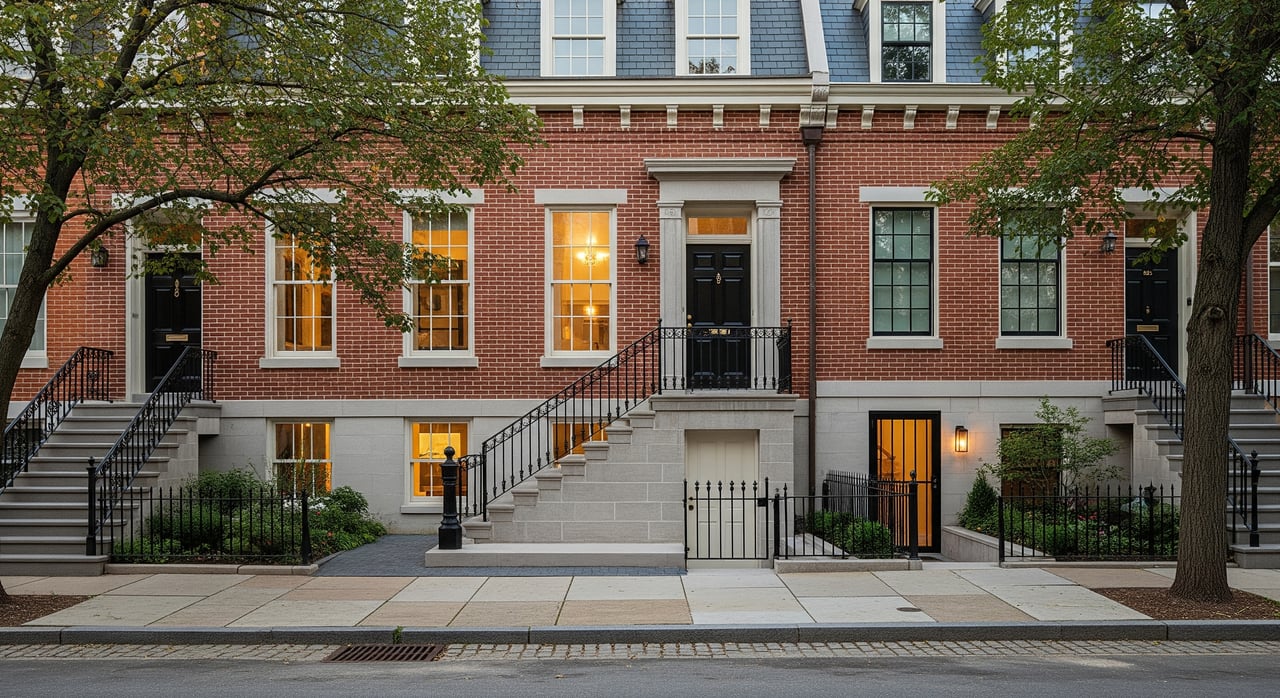
Thinking about living for less while building wealth in Maryland? House hacking lets you live in one part of a property and rent out the rest to offset your mortgage and expenses. If you are a first-time buyer or a small-scale investor, this strategy can help you reduce housing costs, learn the rental business, and start growing equity. In this guide, you will learn the property types that work in Maryland, the most common financing paths, what lenders look for, and the rules to know before you rent. Let’s dive in.
What house hacking means
House hacking is simple: you buy a home, live in it as your primary residence, and rent additional space to generate income. You might live in one unit of a duplex, convert a basement into an accessory unit, or rent individual rooms. Your rent income helps cover the mortgage, taxes, and insurance while you build long-term equity.
Best Maryland property types
2-4 unit properties
Duplexes, triplexes, and fourplexes are classic house hacks. You live in one unit and rent the others. These buildings are often found in older inner-ring neighborhoods and some suburban corridors. Financing works differently than for single-family homes, and lenders apply owner-occupant rules.
Single-family homes with ADUs
An accessory dwelling unit (ADU) can be a basement apartment, garage conversion, or backyard cottage. In Maryland, ADU rules are local. Size limits, parking, entrances, and permits vary by county and city. Many areas require permits and inspections for conversions, so plan ahead with the local planning and code office.
Room-by-room rentals
Renting individual rooms in a house can maximize income but adds management complexity. You will need solid screening and clear house rules. Local occupancy limits and licensing can apply, so check requirements where you buy.
Short-term rentals
Short-term rentals can work in some neighborhoods, but they are regulated city by city and county by county. Many jurisdictions require licensing, safety inspections, and local occupancy taxes. Confirm what is allowed before you count on short-term income.
Owner-occupant financing options
Owner-occupant loans often have better terms and lower down payments than investor loans. Many programs allow 2-4 unit properties if you live in one unit as your primary residence.
FHA basics
FHA allows 1-4 unit purchases if you intend to occupy one unit. Minimum down payment is commonly 3.5 percent for qualifying credit. FHA’s 203(k) renovation option can help finance repairs or conversions, subject to program rules.
VA for eligible veterans
VA loans can finance 1-4 unit properties with zero down for eligible veterans who will occupy one unit. Standard VA occupancy requirements apply.
Conventional loans
Conventional programs, including some first-time buyer options, can offer down payments as low as 3 percent for eligible borrowers. For 2-4 unit purchases, some lenders require higher down payments and additional reserves compared with single-family purchases. Conforming loan limits vary by county and by unit count.
USDA and state/local help
USDA loans may apply in eligible rural areas and require owner occupancy. Maryland’s state housing programs can offer down payment assistance or grants. Check eligibility rules and current offerings through state and federal program pages.
Key financing mechanics
Occupancy and timelines
Most owner-occupant loans require you to move in as your primary residence, often within 60 days, and remain for about 12 months. Always review the specific terms with your lender.
Using rental income to qualify
Lenders may allow some or all of projected rent from other units to count toward your qualifying income. Expect conservative treatment, such as a vacancy or expense discount. Underwriters often use signed leases, tax returns, or an appraiser’s market rent estimate to document rent.
Reserves, credit, and DTI
For 2-4 unit homes, lenders commonly require cash reserves equal to several months of mortgage payments. Strong credit and a balanced debt-to-income ratio improve approval odds. Expect closer scrutiny of your income stability and liabilities.
Property condition and appraisal
Appraisers review overall condition and habitability. Significant deferred maintenance or nonconforming units can delay closing or require repairs. FHA has minimum property standards that must be met before endorsement.
Lender documentation checklist
- Income: recent pay stubs, W-2s, and tax returns. Self-employed borrowers should expect to provide full tax returns and profit-and-loss statements.
- Credit: a full credit report and scores. Program minimums vary, and higher scores usually lead to better terms.
- Assets and reserves: bank statements showing funds for down payment, closing costs, and required reserves.
- Rental income: signed leases and rent history for existing rentals. If vacant, an appraiser’s market rent schedule may be used.
- Property items: signed purchase contract, seller disclosures, permits for any ADU or conversion, and proof of legal occupancy for existing units. Obtain insurance quotes that reflect the correct occupancy.
Maryland compliance and permits
Zoning and permitting
ADUs and basement apartments require careful planning. Local rules cover unit size, parking, setbacks, entrances, and sometimes owner-occupancy. Jurisdictions such as Montgomery County, Prince George’s County, Baltimore City, Anne Arundel County, and Howard County each have their own processes. Many require building permits and inspections before you can rent a converted space.
Landlord-tenant and safety
If the property was built before 1978, federal lead-based paint disclosure rules apply. Expect local requirements for smoke and carbon monoxide detectors, egress, and habitability standards. Some areas require rental registration or licensing. Security deposit rules, notice periods, and tenant rights are set under Maryland law and sometimes by municipality.
Short-term rental rules
Short-term rentals are regulated locally and often require business permits, safety checks, and transient occupancy taxes. Some zones restrict where short-term rentals can operate. Verify rules before estimating income.
Insurance and liability
Standard homeowner policies rarely cover rental activity fully. Depending on your setup, ask an insurance agent about landlord coverage or dwelling fire policies. Renting rooms versus entire units involves different risk profiles.
Taxes and accounting
Rental income is taxable. Track income and expenses carefully, and use Schedule E where it applies. Short-term rentals can trigger local occupancy taxes. A CPA can help you understand depreciation and recordkeeping.
Fair housing compliance
Follow federal, state, and local fair housing laws. Keep advertising and screening policies neutral and consistent for all applicants.
Neighborhood and market evaluation
Rent comps and demand
Look at rental comps in the immediate neighborhood, not just county averages. Track time on market and vacancy trends. Lower vacancy and strong demand support more reliable rent assumptions.
Sales comps and pricing
Maryland’s markets vary block to block, especially across urban cores and suburban corridors. Review recent sales and price trends at the ZIP code or neighborhood level. County-level conforming and FHA loan limits affect affordability and buyer competition.
Risk factors underwriters note
Underwriters look at local employment access, transit options, and neighborhood stability. While they do not set value based on any single factor, nearby amenities and condition of surrounding homes can influence rentability and resale potential. For older multi-unit buildings, maintenance comparables matter.
Local rules and the business case
Landlord registration, occupancy codes, and historic district overlays can impact your plan. A modest rule difference can change whether a basement can be rented, so confirm details before you finalize your numbers.
Common risks and how to manage them
- Zoning or permits do not allow your intended rental. Confirm rules and budget for required upgrades before closing.
- Lender discounts rental income more than you expected. Collect signed leases where possible and request an appraiser’s market rent schedule. Keep extra reserves.
- Higher vacancy or operating costs. Use conservative estimates and set aside several months of mortgage payments as a cushion.
- Insurance gaps. Align coverage with your actual occupancy and use. Verify any HOA or condo rules if they apply.
Step-by-step plan to start
Clarify your strategy. Decide between 2-4 units, an ADU, or room rentals. Sketch a budget and operating plan.
Talk to a lender. Confirm program fit, down payment needs, loan limits by county and unit count, reserve requirements, and how rental income will be treated.
Run conservative numbers. Use realistic rent comps and build in a vacancy/expense cushion. Include licensing, inspections, and insurance.
Verify local rules. Contact the planning and code office for zoning, ADU standards, and rental registration requirements. Ask about inspections and safety items.
Search with purpose. Focus on properties with strong rental demand, safe egress for basement units, and layouts suited for privacy between your unit and the rental space.
Inspect thoroughly. Older Maryland homes may need updates to meet safety and habitability standards. Factor repairs into your offer or consider renovation financing options where eligible.
Prepare for closing and onboarding. Line up insurance, permits, lease templates, and a plan for screening and handling maintenance. Set expectations clearly with tenants.
How T&G can help
You do not have to figure this out alone. T&G Real Estate Advisors pairs local Maryland market knowledge with hands-on support for buyers and small-scale investors. We help you identify house-hackable properties, evaluate rent comps, navigate county rules, and structure offers that account for repairs and timelines. If you plan to hold the property, we also offer rental placement and property management to keep operations smooth.
Ready to explore a Maryland house hack or refine your plan? Reach out to T&G Real Estate Advisors for a consult and next steps.
FAQs
What is house hacking for Maryland buyers?
- House hacking means you live in one part of a property and rent the other parts to offset housing costs while building equity.
Which Maryland properties work best for house hacking?
- Many buyers use 2-4 unit buildings, single-family homes with ADUs or basement apartments, or room-by-room rentals depending on local rules and demand.
Can I use rental income to qualify for a loan?
- Often yes. Lenders may count a portion of projected rental income using leases or an appraiser’s rent estimate, with conservative discounts for vacancy and expenses.
How much do I need for a down payment?
- FHA commonly allows 3.5 percent down with qualifying credit, VA may allow zero down for eligible veterans, and some conventional programs start near 3 percent for eligible borrowers.
Do I need to live in the property?
- Most owner-occupant loans require you to move in within a set period, often 60 days, and remain for about 12 months. Check your loan’s occupancy terms.
What permits do I need for an ADU or basement rental?
- Permits and inspections vary by Maryland county and city. Local rules cover size, parking, entrances, egress, and safety standards. Confirm with the local planning and code office.
Are short-term rentals allowed where I buy?
- Short-term rentals are regulated locally. Many jurisdictions require licensing, inspections, and local occupancy taxes, and some limit where they can operate.
What insurance should I carry as a house hacker?
- Standard homeowner policies may not cover rentals. Ask an insurance agent about landlord or dwelling fire coverage that matches your occupancy and tenant mix.