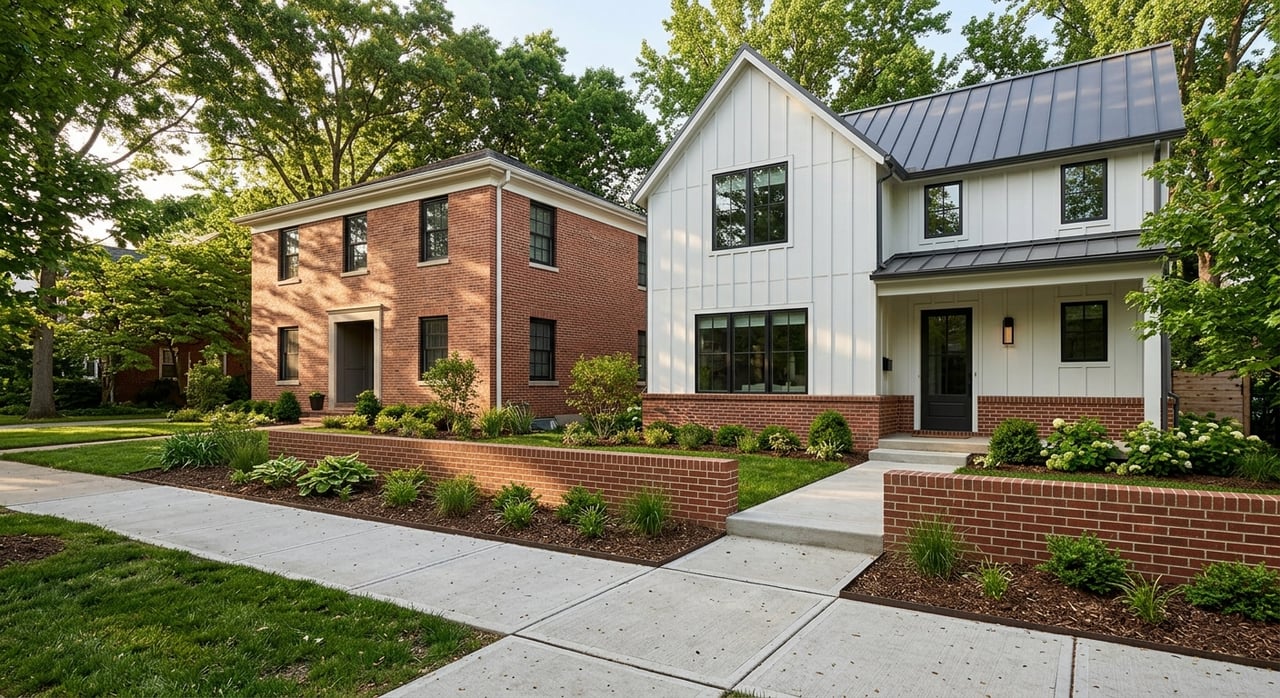
If you want a place that feels connected, convenient, and full of everyday character, Maryland’s inner suburbs deserve a close look. These communities offer a different kind of suburban life, one where you can live on a quiet residential block and still be minutes from Metro, trails, restaurants, and local business districts. If you are weighing a move in the DMV, this guide will help you understand what daily life really feels like in these close-in Maryland communities. Let’s dive in.
What Counts as Maryland’s Inner Suburbs?
In practical terms, Maryland’s inner suburbs are the close-in communities in Montgomery and Prince George’s counties that sit inside or just beyond I-495. They are shaped by older neighborhoods, rail stations, established street grids, and mixed-use town centers.
That gives them a very different feel from farther-out suburban areas. Instead of large subdivisions and long drives for daily errands, you often get a mix of housing types, walkable commercial districts, and easier access to transit, parks, and local gathering spots.
Why These Areas Feel Different
One of the biggest differences is how quickly the setting can change from block to block. You might leave a residential street lined with older homes and arrive a few minutes later at a downtown area with shops, restaurants, civic spaces, and transit connections.
That variety is a defining part of the experience. In places like Silver Spring, Takoma Park, Bethesda, Hyattsville, and North Bethesda, the built environment feels layered rather than uniform, which appeals to buyers who want more than a one-note suburban routine.
Community Personalities Across the Inner Suburbs
Bethesda feels polished and active
Downtown Bethesda is known as a walkable mixed-use district with a strong retail and arts presence. The area is organized around Metro access and the Bethesda Circulator, which helps make day-to-day mobility easier within the downtown core.
For you, that can mean a lifestyle with easy errands, dining options, public art, and events close at hand. Bethesda tends to feel compact, active, and highly convenient if you want an urban-style center with a suburban home base.
Silver Spring feels urban and energetic
Silver Spring has one of the strongest downtown identities in the inner suburbs. Montgomery Planning describes it as one of the most demographically diverse areas in the county and the nation, with a lively mix of shops, restaurants, offices, and civic uses.
The downtown also includes more than 100 pieces of public art, seasonal events, a walkable core, and over 5 miles of bike lanes. If you want a place where daily life feels a little more urban but still rooted in surrounding neighborhoods, Silver Spring often stands out.
Takoma Park feels local and residential
Takoma Park offers a smaller-scale setting with tree-lined streets, walkability, and a strong local-business culture. The city highlights access to Metro, buses, and bikeshare, along with a business district known for independent, international, and alternative offerings.
That combination gives Takoma Park a very neighborhood-centered feel. If you like the idea of a residential setting where local shops and transportation options still play a big role in your day, this area can be especially appealing.
Hyattsville feels creative and connected
Hyattsville blends a small-city feel along the Route 1 corridor with local businesses, restaurants, coffee shops, parks, playgrounds, and trail access. The city also points to its arts identity and active local shopping culture.
With two Metro stops and growing transit-adjacent planning, Hyattsville appeals to buyers who want character, history, and connectivity in one place. It often feels approachable and evolving at the same time.
North Bethesda feels newer and evolving
North Bethesda represents the more redevelopment-driven side of the inner suburbs. County and regional planning materials frame the Metro area as a transit-oriented mixed-use district that will add housing, jobs, and public space.
For buyers, that can mean newer apartment communities, townhomes, and mixed-use living near transit. If you prefer a more modern layout and like the idea of ongoing growth around a Metro station, North Bethesda may fit your style.
Housing Options Are More Varied Than Many Expect
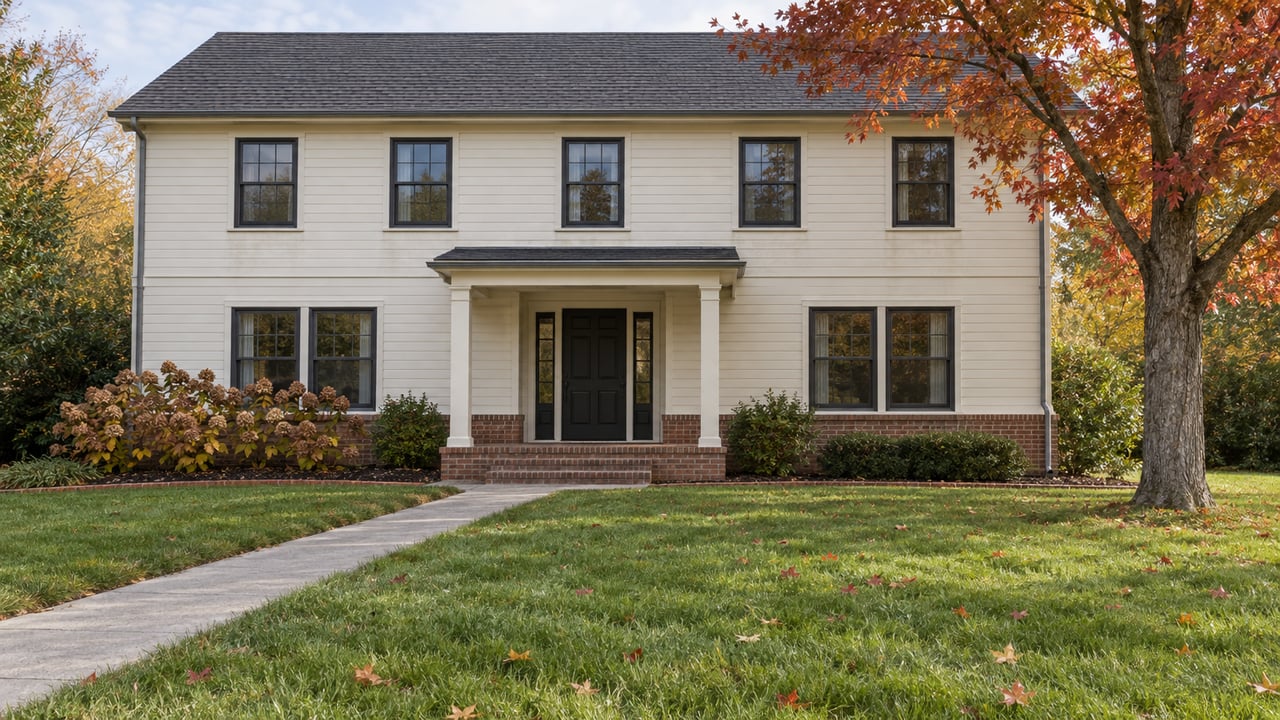
A lot of buyers assume the inner suburbs are made up mostly of older detached homes. In reality, the housing mix is much broader, with single-family homes, townhouses, condos, and apartment buildings often existing within the same larger area.
That variety matters because it gives you more ways to match your budget, space needs, and lifestyle. It also means two homes in the same community can offer very different living experiences depending on how close they are to transit, downtown streets, or quieter residential sections.
Older homes with established character
Takoma Park is one of the clearest examples of housing variety in an older inner suburb. The city says its homes range from historic bungalows and Victorians to modest colonials and ramblers, and about half of households rent while half own.
Hyattsville also shows the historic side of the market. Its historic district includes nearly 1,000 buildings, with vernacular Victorians, Colonial Revivals, Sears homes, and Arts and Crafts influences.
Mixed housing near downtowns
Silver Spring and East Silver Spring include single-family detached neighborhoods, townhouse areas, and apartment buildings. Planning documents also emphasize more diverse housing types and walkable streets around downtown and nearby communities.
This is one reason Silver Spring attracts such a wide range of buyers and renters. You can find more traditional neighborhood settings as well as homes closer to a busier downtown environment.
Newer transit-oriented choices
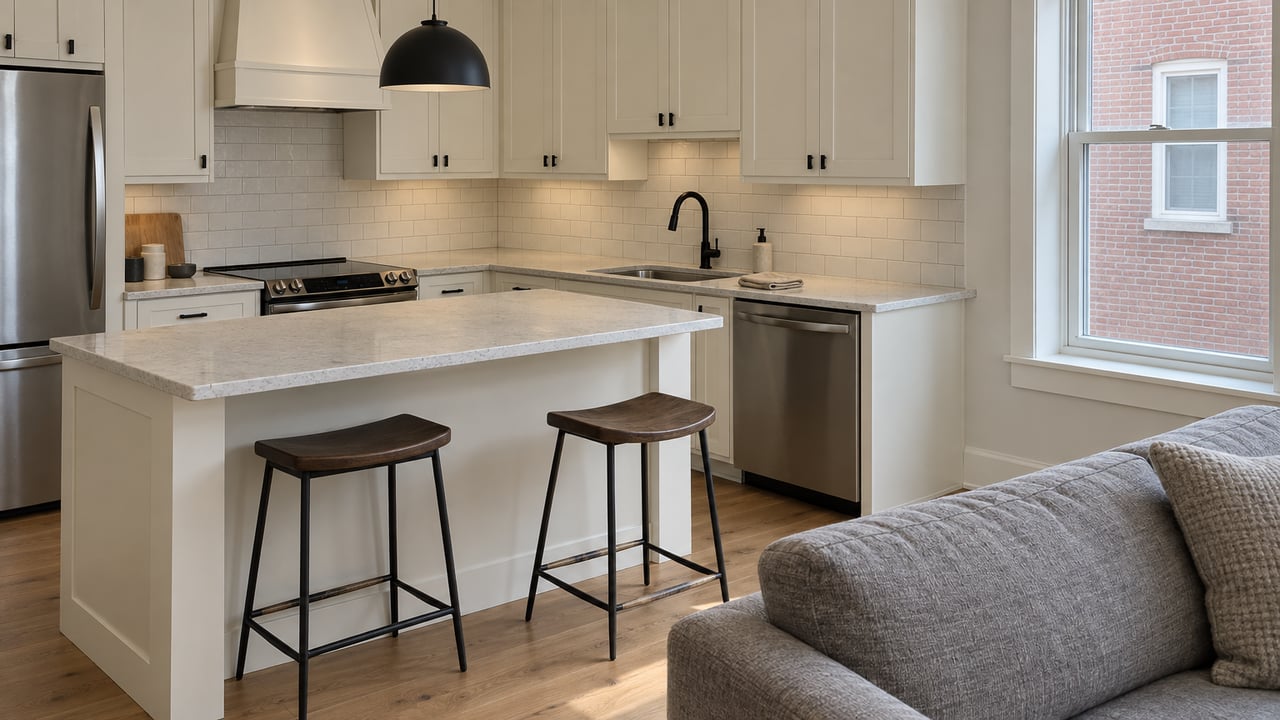
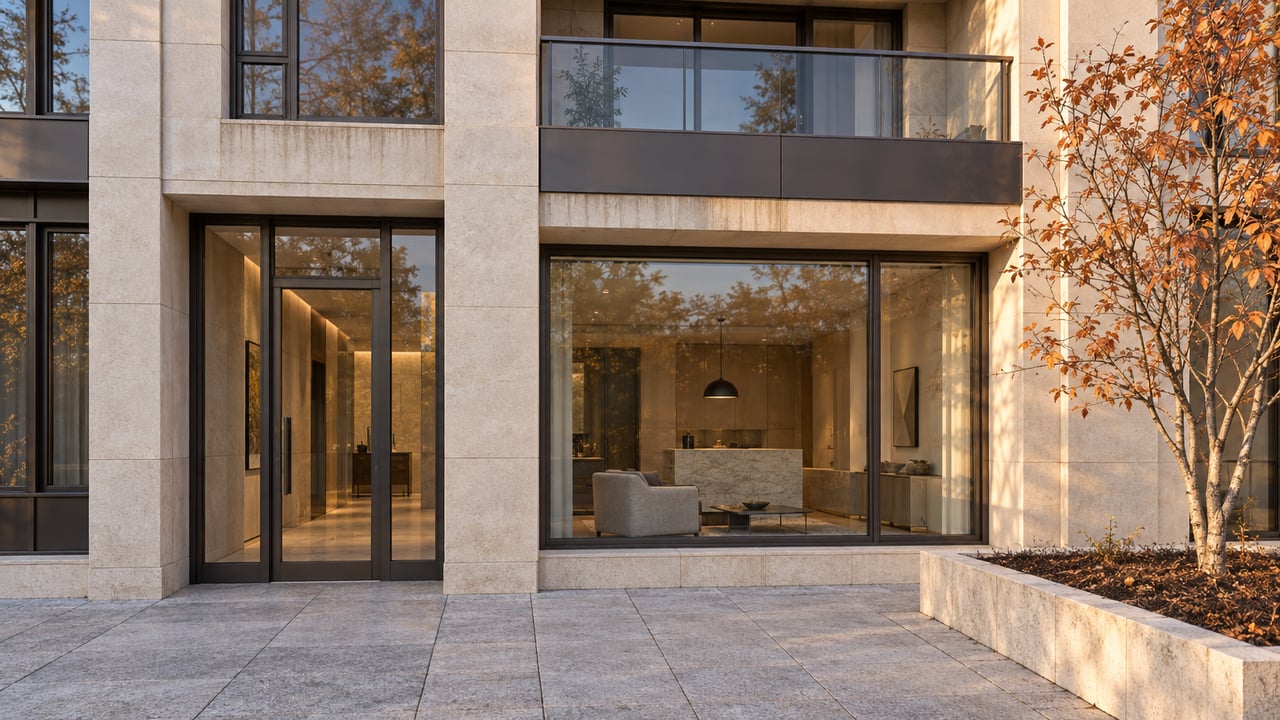
North Bethesda highlights the newer side of inner-suburban living. County materials describe new housing projects near Metro as transit-oriented and mixed-use, with a range of layouts and residential types.
West Hyattsville and nearby transit districts are also planning for future residential growth in pedestrian-friendly, transit-adjacent areas. If you want lower-maintenance living with newer construction features, these locations may deserve a closer look.
Everyday Life Is About Convenience
One reason people are drawn to Maryland’s inner suburbs is that daily life often feels more efficient. You may not need to plan every errand as a major trip, especially if you live near a downtown core, commercial corridor, or transit hub.
Instead, the lifestyle tends to center on neighborhood routines. That might mean grabbing coffee locally, walking to dinner, using a nearby trail, or mixing a short drive with transit for work and weekends.
Walkability, Dining, and Local Business Districts
Bethesda makes errands easy
Bethesda Urban Partnership says downtown Bethesda can be walked end-to-end in about 20 minutes. That compact scale, paired with Metro access and the Bethesda Circulator, supports a more flexible daily routine.
For you, that can mean less time spent in the car for basic outings. It also adds a sense of activity that many buyers want when they are looking for a close-in location.
Silver Spring offers a fuller downtown feel
Silver Spring’s downtown is one of the strongest examples of an urban-style center in suburban Maryland. It combines dining, arts, events, public spaces, and transit in one walkable area.
That can be especially attractive if you want options close by without moving into the District. The station’s connection to the Sarbanes Transit Center also reinforces Silver Spring’s role as a major local hub.
Takoma Park and Hyattsville feel distinctly local
Takoma Park and Hyattsville stand out for their local business culture. Both emphasize independently rooted commercial areas, transit access, and a pattern of day-to-day life that supports walking, biking, and neighborhood shopping.
If you prefer areas that feel personal rather than highly polished, these communities may resonate. Their appeal often comes from the mix of practicality and personality.
Parks and Trails Are Part of Daily Living
Green space is not just a bonus in the inner suburbs. It is woven into the landscape through county and regional park systems, neighborhood parks, and heavily used multiuse trails.
The Maryland-National Capital Park and Planning Commission stewards 66,000 acres across Montgomery and Prince George’s counties. That helps explain why so many close-in neighborhoods feel connected to outdoor recreation despite being in a developed suburban setting.
Major trails close to home
The Capital Crescent Trail runs 11 miles from Georgetown to Silver Spring and is used by more than 650,000 people each year. The Sligo Creek Trail stretches 10.2 miles and is one of the oldest and heaviest-used trail facilities in Montgomery County.
Rock Creek Regional Park’s trail system reaches to the Montgomery County and DC border, creating a major green refuge within a densely developed area. In Prince George’s County, Lake Artemesia adds biking, hiking, fishing, canoeing, kayaking, and picnic space, while the Anacostia River Trail expands local recreation options even further.
What that means for your routine
In many neighborhoods, outdoor access is not reserved for special occasions. A quick walk, bike ride, or weekend trail outing can become part of your normal rhythm rather than a planned trip across town.
That pattern is one of the strongest lifestyle advantages of the inner suburbs. You get a built-up location without giving up access to meaningful green space.
Commuting Is More Flexible Here
Transit is one of the main reasons many buyers choose Maryland’s inner suburbs. WMATA’s Red Line serves Maryland stations including Bethesda, Medical Center, North Bethesda, Silver Spring, Takoma, Forest Glen, Glenmont, Rockville, Shady Grove, and Wheaton.
Montgomery County Ride On, Metrobus, MARC commuter rail, and Prince George’s County’s extensive transit network add even more options. For many households, that creates a hybrid commuting setup where a car is still useful, but not always necessary for every trip.
Metro and bus access matter most near core areas
Silver Spring station has especially strong multimodal access, with the Sarbanes Transit Center, bike racks, lockers, and bikesharing. Takoma Park also offers a busy transfer point, along with multiple bus routes and Capital Bikeshare.
Prince George’s County reports 15 Metrorail stations and more than 70 bus routes, which helps explain why inner-suburban communities there often feel well connected. The closer you are to these transit nodes, the easier car-light living becomes.
The Purple Line will add another layer
The Purple Line is a 16-mile, 21-station light rail line that will connect Bethesda, Silver Spring, College Park, and New Carrollton. It will link to Red, Green, and Orange Line Metro service, along with MARC, Amtrak, and local and regional buses.
As of May 7, 2026, Maryland officials said the final rail had been installed and passenger service was expected in late 2027. For buyers thinking long term, that expanding connectivity is an important part of the region’s future.
Is Car-Free Living Realistic?
That depends on exactly where you live. Near downtown Bethesda, central Silver Spring, Takoma, or some transit-focused areas of North Bethesda and Hyattsville, it can be realistic to handle many daily needs on foot, by bike, or by transit.
On quieter residential blocks farther from commercial districts, a car may still make life easier for larger errands, weekend plans, or multi-stop routines. In most cases, the inner-suburban lifestyle is best described as flexible rather than fully car-free.
Who These Areas Tend to Suit Best
Maryland’s inner suburbs often appeal to buyers who want balance. You may be looking for a quieter home setting without giving up easy access to restaurants, parks, trails, and commuter options.
These communities can also work well if you are relocating within the DMV and want to compare lifestyle patterns, not just square footage. The biggest value is often in how the pieces fit together: housing variety, local character, transportation, and day-to-day convenience.
How to Narrow Your Search
If you are considering a move to Maryland’s inner suburbs, it helps to focus on lifestyle first. Start by asking yourself a few practical questions:
- Do you want a more urban downtown feel or a more residential neighborhood setting?
- How important is Metro access for your daily routine?
- Would you rather have a historic home, a townhouse, or newer low-maintenance construction?
- Do you want trail access and parks close enough for everyday use?
- Are local shops and independent business districts a priority?
Once you know your priorities, it becomes much easier to compare communities that may look similar on a map but feel very different in person.
If you are exploring Maryland real estate listings and want practical guidance on where your budget and lifestyle align, T&G Real Estate Advisors can help you narrow your options and move with confidence.
FAQs
What are Maryland’s inner suburbs?
- Maryland’s inner suburbs generally refer to close-in communities in Montgomery and Prince George’s counties that sit inside or just beyond I-495 and are shaped by older neighborhoods, transit access, and mixed-use town centers.
What is living in Silver Spring like?
- Living in Silver Spring often means access to a lively downtown, Metro service, public art, restaurants, events, bike lanes, and nearby residential neighborhoods with a range of housing types.
What is living in Takoma Park like?
- Living in Takoma Park usually means a smaller-scale residential setting with tree-lined streets, a strong local-business culture, and access to Metro, buses, and bikeshare.
Are Maryland’s inner suburbs walkable?
- Many of Maryland’s inner suburbs are more walkable than typical suburban areas, especially near downtown Bethesda, Silver Spring, Takoma Park, and Hyattsville business districts.
What types of homes are common in Maryland’s inner suburbs?
- Common housing types include single-family homes, townhouses, condos, apartments, historic bungalows, Victorians, colonials, ramblers, and newer transit-oriented residential buildings.
Is transit access good in Maryland’s inner suburbs?
- Transit access is one of the biggest advantages of these communities, with Red Line stations, bus networks, MARC service, and the future Purple Line expanding regional connections.
Are parks and trails easy to access in Maryland’s inner suburbs?
- Yes, many inner-suburban communities offer strong access to parks and trails, including the Capital Crescent Trail, Sligo Creek Trail, Rock Creek trail connections, Lake Artemesia, and the Anacostia River Trail.